Unit 6 Strategy: Navigating Environmental, Societal, and Political Challenges in Japan
Environmental Challenges (Kankyō Mondai)
In the AP Japanese Language and Culture curriculum, understanding environmental issues goes beyond science—it is about understanding the Japanese cultural perspective on nature, the practices of conservation, and the products (technology) used to solve these problems.
1. Climate Change and Natural Disasters
Japan (Nihon) is an archipelago located on the "Pacific Ring of Fire," making it hyper-aware of nature's power. The Japanese view of nature is dualistic: nature is beautiful and cherished (cherry blossoms), but also fearsome and respected (typhoons).
Key Terminology
- Shizen Saigai (自然災害): Natural Disaster
- Jishin (地震): Earthquake
- Tsunami (津波): Tsunami
- Taifū (台風): Typhoon
- Bōsai (防災): Disaster Prevention
The Reality of Vulnerability
- Seismicity: Japan experiences thousands of tremors annually. The Great East Japan Earthquake (March 11, 2011) is a defining modern event that shifted perspectives on energy and safety.
- Climate Change Impact: Rising sea levels threaten coastal cities like Osaka and Tokyo. Summers are becoming dangerously hot (mōsho - extreme heat), leading to increased heatstroke cases among the elderly.
Disaster Preparedness (Cultural Practice)
Disaster readiness is embedded in the school curriculum and community life.
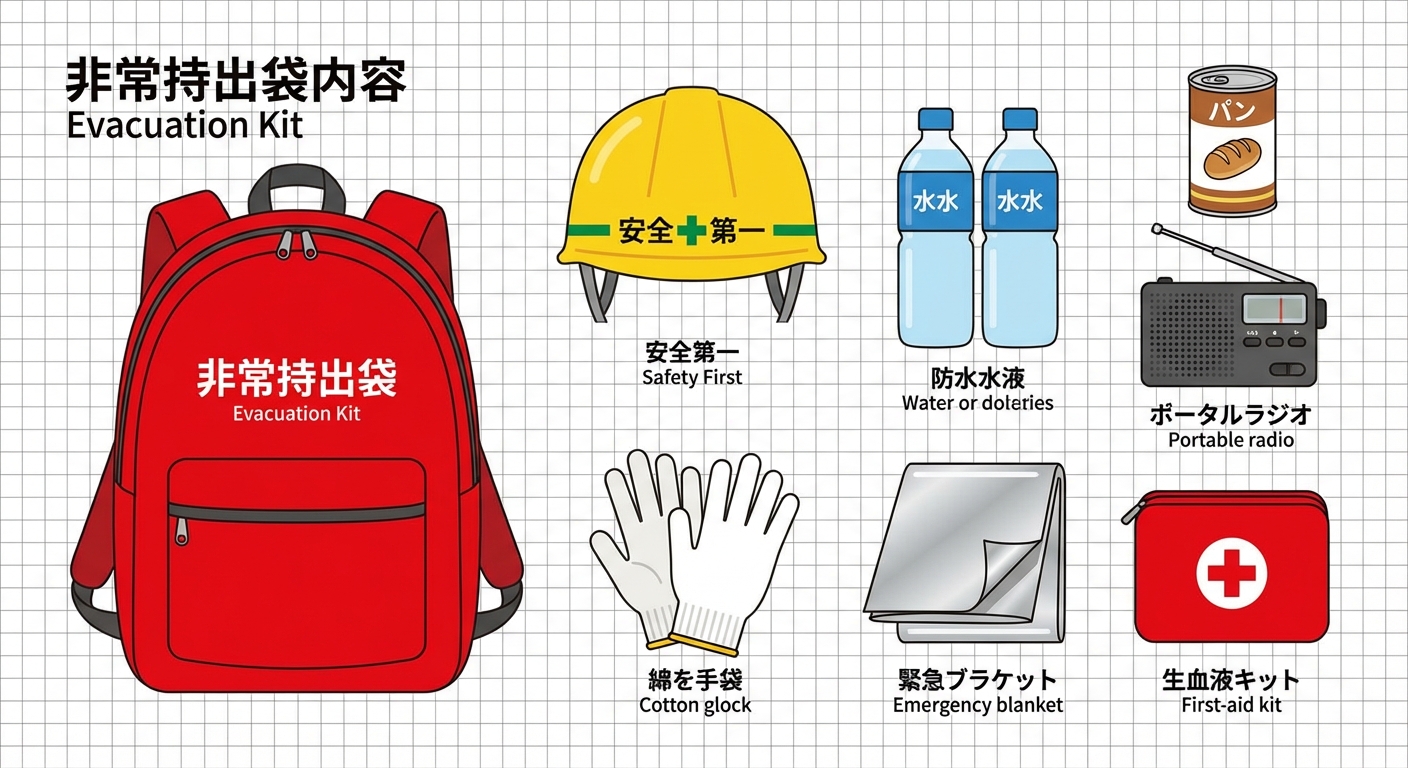
- Hinan-bukuro (Evacuation Bags): Most households keep a "grab-and-go" backpack containing food, water, a radio, and first aid.
- J-Alert System: A satellite-based system that sends loud alarms to cell phones seconds before strong tremors arrive.
- Drills: Schools and offices conduct regular evacuation drills (hinan kunren).
2. Waste Management and Recycling
Japan’s approach to waste is rigorous and rooted in community harmony (Wa). Following trash rules is a sign of being a good neighbor.
The Sorting Rules (Bunbetsu)
Trash separation is not a suggestion; it is a strict requirement.
- Moyasu Gomi (Burnable Trash): Paper, food scraps.
- Moyasanai Gomi (Non-burnable Trash): Plastics, ceramics, glass.
- Shigen Gomi (Recyclable Resources): PET bottles (caps and labels removed), cans, newspapers.
- Sodai Gomi (Oversized Trash): Furniture, appliances (requires a paid ticket).
The Concept of "Mottainai"
- Definition: Mottainai is an exclamation meaning "What a waste!" but implies a regret over the loss of an object's intrinsic value. It is the spiritual foundation of the 3Rs (Reduce, Reuse, Recycle).
- Application: It discourages wastefulness in food, time, and objects. The phrase gained global recognition through environmental activist Wangari Maathai.
3. Energy and Pollution
- Nuclear Power: Before 2011, nuclear power was a major energy source. Since the Fukushima Daiichi nuclear disaster, public sentiment has shifted, leading to a focus on Renewable Energy (solar, wind, geothermal).
- Air Pollution: Historically severe in the 1960s (e.g., Minamata disease), strict regulations and hybrid/electric vehicle technology have drastically improved air quality.
Societal Challenges (Shakai Mondai)
This is perhaps the most frequently tested topic in Unit 6. You must be able to discuss the Demographic Crisis.
1. The Aging Society (Kōreika Shakai)
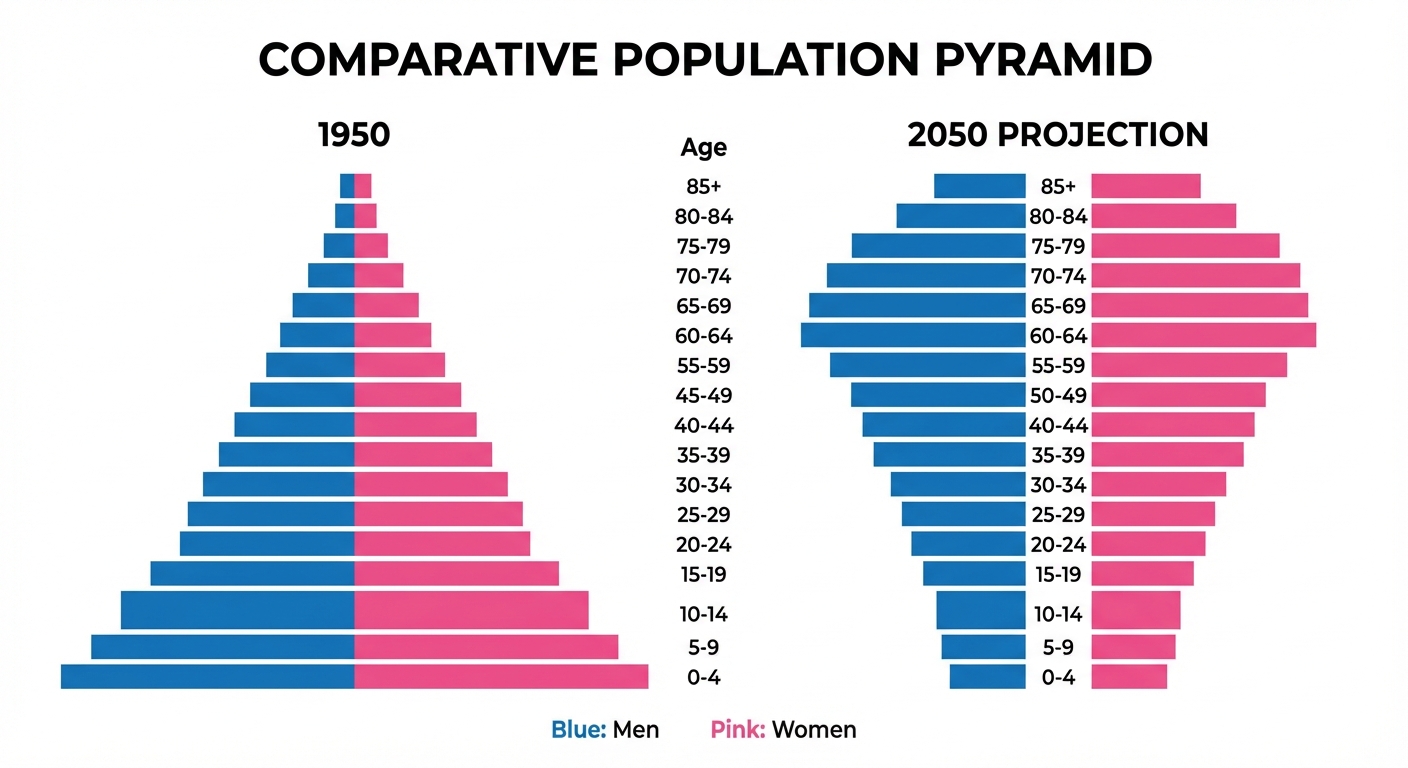
Japan has the world's oldest population.
The "Double Punch" Phenomenon
- Shōshika (少子化): Declining birth rate. Young people are marrying later (bankon-ka) or not at all due to economic instability and work demands.
- Kōreika (高齢化): Aging population. People are living longer due to excellent healthcare and diet.
Consequences
- Labor Shortage: Fewer young workers to support the economy.
- Pension Crisis: A shrinking workforce paying for a growing number of retirees.
- Akiya (Empty Houses): Millions of abandoned homes in rural areas as the population shrinks and urbanizes.
Solutions & Innovations
- Robotics: Care-giving robots (like PARO the seal) used in nursing homes.
- Immigration Reform: Introducing new visa statuses (Specified Skilled Worker) to attract foreign labor, a significant shift for a historically homogeneous society.
- Raising Retirement Age: Encouraging seniors to work longer.
2. Gender Inequality & Work-Life Balance
Gender Gap
Despite being an economic superpower, Japan ranks low in gender equality indices.
- The Glass Ceiling: Women are underrepresented in management and politics.
- Mata-hara (Maternity Harassment): Pressure on women to quit their jobs after becoming pregnant.
- "Womenomics": Policies aimed at keeping women in the workforce, though progress is slow.
Work Culture Issues
- Karōshi (過労死): Death by overwork (heart attack, stroke, or suicide induced by stress).
- Nomikai (飲み会): After-work drinking parties. While intended for bonding, they are often seen as mandatory unpaid overtime.
- Cultural Shift: Younger generations are increasingly prioritizing work-life balance over company loyalty.
3. Minorities and Social Integration
Japan is often described as a homogeneous society (tan'itsu minzoku), but this overlooks minority groups:
- Ainu: Indigenous people of Hokkaido.
- Zainichi Koreans: Long-term Korean residents.
- Nikkeijin: Descendants of Japanese emigrants (mostly from Brazil/Peru) who returned to Japan for work.
Challenge: Foreign residents often face barriers in housing and language support. The concept of Tabunka Kyōsei (multicultural coexistence) is the government's goal.
Political Challenges (Seiji)
1. Article 9 and Pacifism
- Constitution Article 9: Renounces war and the maintenance of military forces.
- Self-Defense Forces (Jieitai): Japan effectively has a military for defense, but its role is legally restricted.
- The Debate: Some politicians want to amend the constitution to clarify the status of the SDF, while others fiercely protect Article 9 as the foundation of modern Japan’s peace.
2. Territorial Disputes
Japan has ongoing disputes with neighbors. In an exam context, focus on the Diplomatic Stance (seeking peaceful resolution) rather than the intense history.
- Senkaku Islands: Disputed with China.
- Takeshima: Disputed with South Korea.
- Northern Territories: Disputed with Russia.
3. Economic Stagnation
- The Lost Decades: Japan’s economy has faced slow growth since the asset bubble burst in the 1990s.
- Consumption Tax: The tax has risen over the years (now 10%) to cover social security costs for the elderly, which is politically unpopular but deemed necessary.
Comparison: Japan vs. Your Community
For the Cultural Comparison free-response section of the exam, you need to compare Japan with your own culture.
| Topic | Japan Perspective | Western/US Perspective (General) |
|---|---|---|
| Trash | Communal Duty: Neighbors monitor each other. Strict categorization is a norm. No trash cans in public streets (carry it home). | Convenience: Single-stream recycling is common. Public trash cans are everywhere. |
| Natural Disasters | Resilience & Preparation: Constant drills, earthquake-proof architecture is standard. Fatalistic acceptance (Shikata ga nai). | Response & Recovery: Focus often on emergency response after the fact. Preparation varies by region (e.g., hurricane zones). |
| Aging | Reintegration: Elderly are encouraged to remain active/work (silver human resources centers). Filial piety is changing but still present. | Retirement: Focus on leisure and relaxation after retirement. Independent living or nursing homes are common. |
Essential Vocabulary for Unit 6
| Kanji | Romaji | English Meaning |
|---|---|---|
| 環境 | Kankyō | Environment |
| 地球温暖化 | Chikyū Ondanka | Global Warming |
| 少子高齢化 | Shōshi Kōreika | Declining birthrate and aging population |
| 資源 | Shigen | Natural Resources |
| 節約する | Setsuyaku suru | To save/conserve (money/resources) |
| 政府 | Seifu | Government |
| 平和 | Heiwa | Peace |
| ボランティア | Borantia | Volunteer |
| リサイクル | Risaikuru | Recycle |
Common Mistakes & Pitfalls
- Confusing "Mottainai" with "Stingy": Mottainai is not about hoarding money; it is about respecting the life/labor that went into an object. It is a virtue, not a vice.
- Oversimplifying the Aging Problem: Don't just say "there are many old people." Explain why (low birth rate + high life expectancy) and the impact (labor shortage).
- Misunderstanding "Trash Cans": Students often assume Japan is dirty because there are few public trash cans. In reality, Japan is very clean because people carry their trash home. This is a key cultural difference.
- Stereotyping Gender Roles: While gender inequality exists, do not write that "Japanese women don't work." Most do. The issue is the quality of employment (part-time vs. career track) and the lack of women in leadership.
- Political Sensitivity: In an exam, avoid taking extreme sides on territorial disputes. Focus on the vocabulary of diplomacy and peaceful resolution.