AP Spanish Unit 6: Navigating Global Challenges
Overview of Los Desafíos Mundiales
Unit 6 covers Global Challenges (Los desafíos mundiales), a critical theme in the AP Spanish Language and Culture curriculum. This unit moves beyond simple vocabulary, requiring you to analyze complex issues, propose solutions, and compare how different Spanish-speaking communities address universal problems.
The content focuses on the intersection of human activity, the environment, and social governance. You must be prepared to answer the Essential Questions (Preguntas esenciales), such as: What are the social and environmental challenges we face? and How do individuals and governments address these issues?
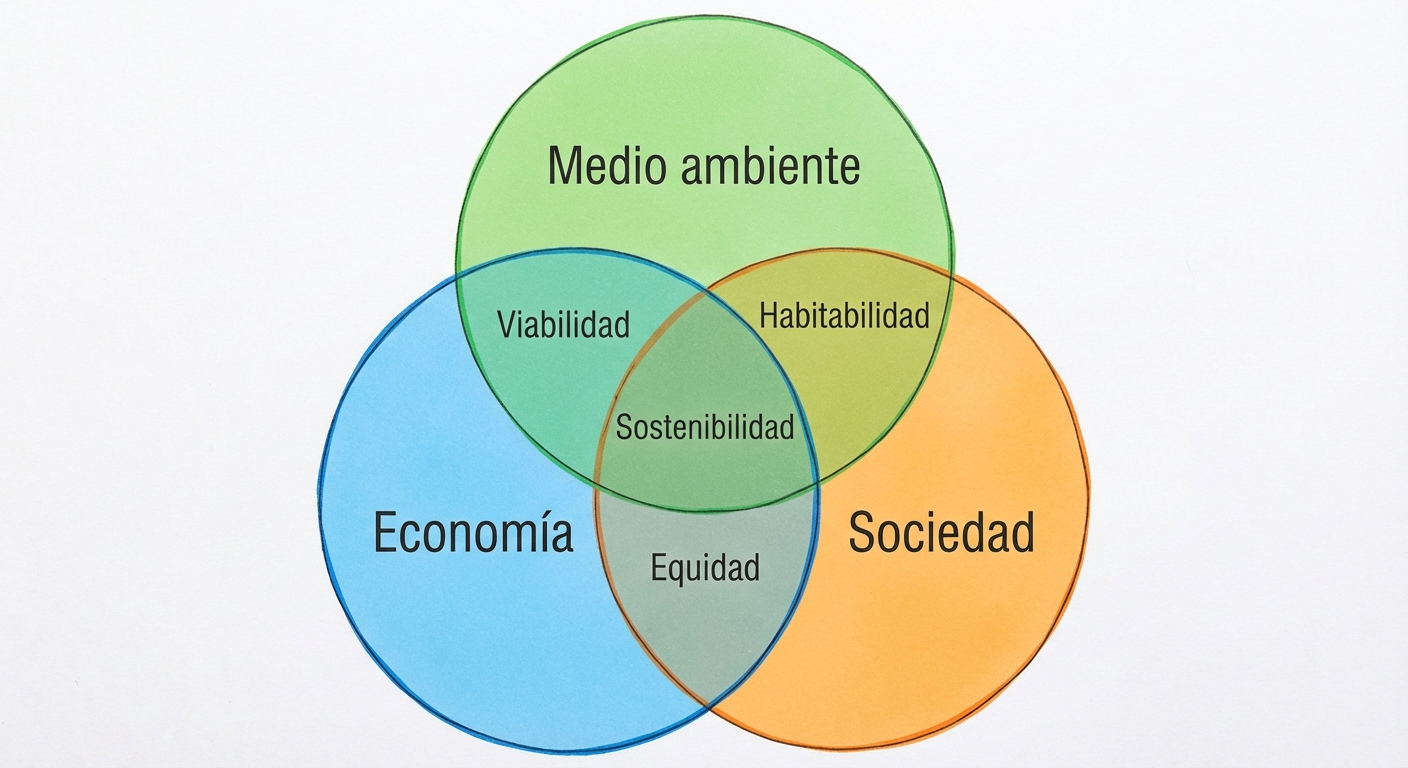
Environmental Issues (Los temas ambientales)
This sub-theme focuses on the relationship between humans and the natural world. In the AP exam, you may encounter audio clips about conservation efforts, articles about climate change effects in Latin America, or be asked to write an essay proposing solutions to pollution.
Key Concepts and Vocabulary
To discuss the environment effectively, you must master specific terminology. It is not enough to say "it is bad"; you must explain why and how.
| English Concept | Spanish Term | Definition/Context |
|---|---|---|
| Global Warming | El calentamiento global | The long-term heating of Earth's climate system due to human activities. |
| Sustainability | La sostenibilidad | Meeting current needs without compromising future generations. |
| Scarcity | La escasez | Often used with agua potable (drinking water) or recursos (resources). |
| To waste | Desperdiciar | Opposite of conservar or ahorrar. |
| Renewable Energy | La energía renovable | Solar (solar), Wind (eólica), Hydroelectric (hidráulica). |
Cultural Application: The Hispanic World
When working on the Cultural Comparison (Task 4), specific examples are vital:
Costa Rica & Ecotourism:
- Costa Rica is a global leader in ecotourism (el ecoturismo). The government protects over 25% of its land as national parks.
- Perspective: The environment is an economic asset that must be preserved to maintain the tourism industry.
Mexico City & Pollution:
- Mexico City faces severe air pollution (la contaminación del aire) due to geography (a valley trapping smog) and population density.
- Practice: Programs like "Hoy No Circula" constrain driving privileges to reduce emissions.
The Andes & Glaciers:
- Countries like Chile and Peru are witnessing the rapid melting of glaciers (el derretimiento de los glaciares), impacting fresh water supplies for millions.
Political and Social Structures (Las estructuras políticas y sociales)
This section addresses how societies are organized, how populations move, and the challenges of governance.
Migration and Demographics
Migration (la migración) is a dominant theme in the Spanish-speaking world. You must distinguish between voluntary migration and forced displacement.
- Push Factors (Factores de empuje): Reasons people leave.
- War/Violence (La guerra/la violencia)
- Persecution (La persecución política)
- Natural Disasters (Los desastres naturales)
- Unemployment (El desempleo)
- Pull Factors (Factores de atracción): Reasons people go to a specific destination.
- Job Opportunities (Las oportunidades laborales)
- Family Reunification (La reunificación familiar)
- Education (El acceso a la educación)
Common Cultural Comparison Topic:
Compare the challenges of immigration in your community with a Spanish-speaking community (e.g., immigrants from North Africa arriving in Spain vs. Latin American immigrants arriving in the USA).
Economic Challenges
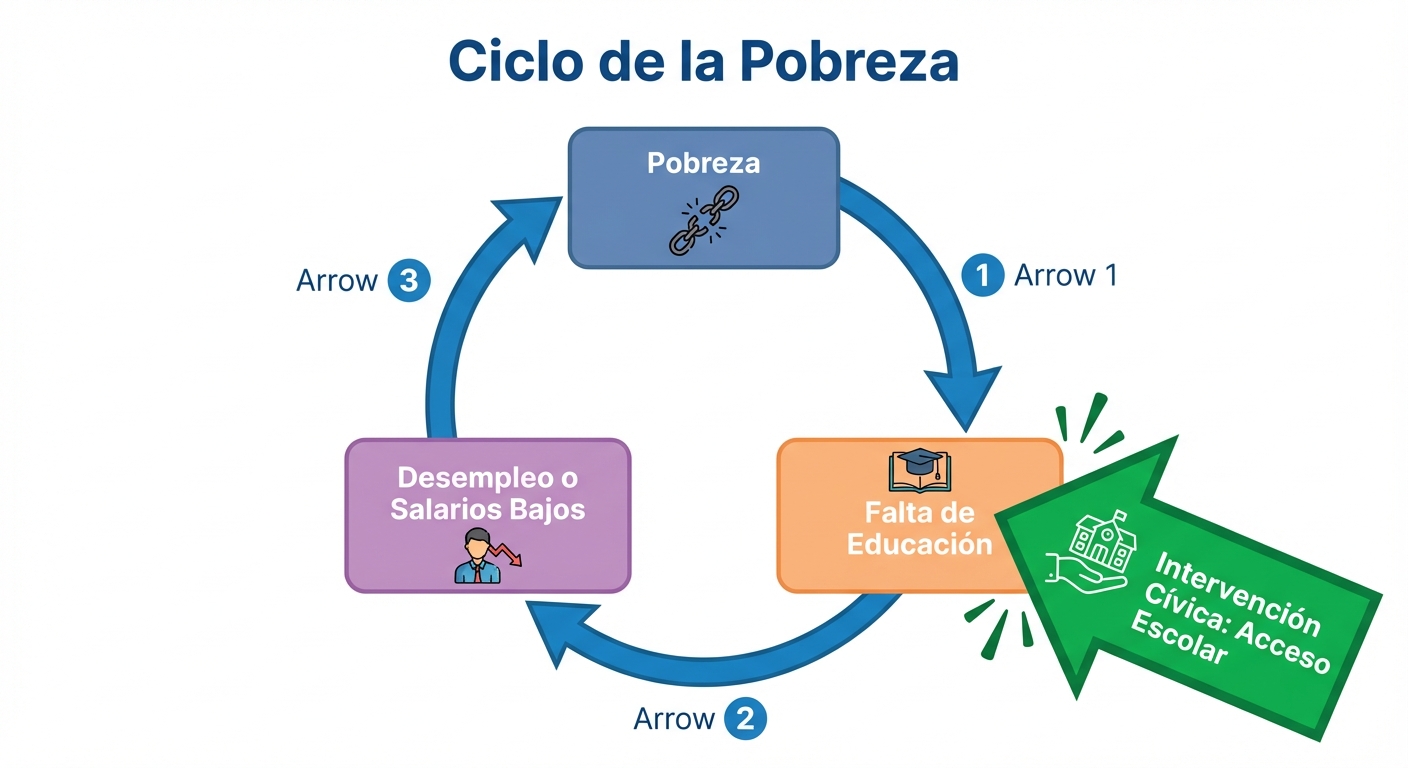
- The Brain Drain (La fuga de cerebros): Education professionals (doctors, engineers) leaving their home country for better wages abroad. This stalls development in the home country.
- The Informal Economy (La economía informal): Many workers in Latin America work "off the books" (street vending, day labor), lacking social security or health insurance.
Social Conscience and Civic Responsibility (La conciencia social)
This topic explores how individuals and groups try to solve the problems listed above. It moves from passive observation to active participation.
Civic Engagement Vocabulary
- Non-Governmental Organization (NGO): La ONG (Organización No Gubernamental). Groups like the Red Cross (La Cruz Roja) or local foundations.
- Volunteering: El voluntariado. Doing work without pay to help the community.
- To raise awareness: Concienciar (or crear conciencia).
- To claim/demand rights: Reivindicar derechos.
Examples of Civic Action
Las Madres de la Plaza de Mayo (Argentina):
- A group of mothers who fought for justice regarding their "disappeared" children during the dictatorship. This is a powerful example of civic protest (protesta cívica) and human rights advocacy.
Disaster Relief:
- Following earthquakes in Mexico or hurricanes in the Caribbean, civil society (la sociedad civil) often organizes faster than the government to distribute food and clear rubble. This highlights the value of solidarity (la solidaridad).
Grammar for Global Challenges
This unit requires sophisticated grammar to propose solutions and express opinions about serious topics.
1. The Subjunctive for Recommendations and Doubt
Because you are often discussing hypothetical solutions or urging changes, the subjunctive mood is mandatory.
- Formula: [Trigger of Influence] + que + [Subject Change] + [Subjunctive]
- Examples:
- Es urgente que el gobierno invierta más dinero en energía solar. (It is urgent that the government invest…)
- Recomiendo que nosotros reciclemos plástico. (I recommend that we recycle…)
- No creo que las medidas actuales sean suficientes. (I don't believe current measures are sufficient.)
2. "If" Clauses (Si Clauses)
Used to express cause and effect regarding global issues.
- Formula: Si + [Present Indicative], [Future].
- Example: Si no protegemos los bosques, habrá menos biodiversidad. (If we don't protect the forests, there will be less biodiversity.)
Common Mistakes & Pitfalls
Confusing Por vs. Para in Explanations
- Mistake: "Luchamos por un mundo mejor." (Correct intent: Goal)
- Correction: Use para for goals/destinations (para mejorar la situación) and por for causes/motivations (por la contaminación).
"La Gente" is Singular
- Mistake: "La gente son responsables."
- Correction: La gente es responsable. Even though it represents many people, the word itself is singular.
False Cognates
- Molestar: Means "to bother/annoy," not "to molest."
- Compromiso: Usually means "commitment/engagement," not "compromise" (which is acuerdo or término medio).
Over-generalizing Culture
- Avoid saying "In Spanish countries, they love nature." Be specific. "In Costa Rica, government policy prioritizes conservation, whereas in other areas, mining conflicts exist."