AP Spanish Unit 5: Factors Impacting Quality of Life
Introduction to Quality of Life
In the context of the AP Spanish Language and Culture exam, Quality of Life (La calidad de vida) is a broad theme that examines how various factors—ranging from economic resources to cultural values—affect the well-being of individuals and communities. This unit requires you to analyze these factors and, crucially, compare how they manifest in your own community versus communities in the Spanish-speaking world.
The central question for this section is: ¿Cómo influyen los desafíos de la vida contemporánea y los valores culturales en la calidad de vida? (How do contemporary challenges and cultural values influence quality of life?)
Education and Career (La educación y las carreras profesionales)
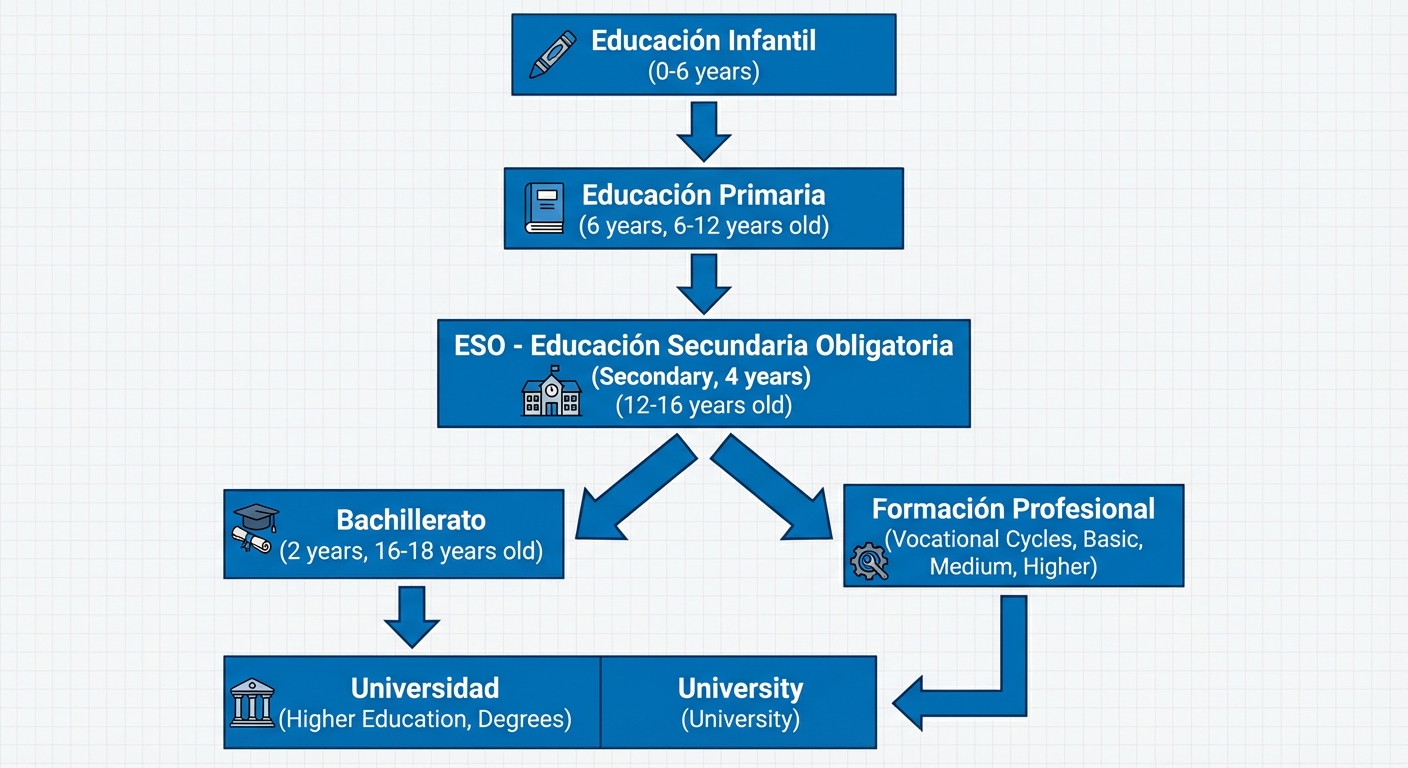
Education is often viewed as the primary vehicle for social mobility (movilidad social) in the Spanish-speaking world. However, the structure of educational systems and the approach to careers can differ significantly from the U.S. model.
Key Vocabulary
| Spanish Term | English Definition | Context |
|---|---|---|
| La beca | Scholarship | Financial aid is less common for living expenses in public systems but exists for tuition. |
| La licenciatura | Bachelor's Degree | Represents the standard university degree (4-5 years). |
| La formación profesional | Vocational Training | Technical education focused on specific trades. |
| El título | Degree/Diploma | The physical certificate or the qualification itself. |
| La equidad | Equity | Often discussed regarding access to internet/resources in rural areas. |
Cultural Context: The University Experience
In many Spanish-speaking countries (e.g., Spain, Mexico, Argentina), public universities are heavily subsidized by the government, making tuition (la matrícula) very affordable or even free. However, resources may be limited compared to private U.S. colleges.
Key Differences:
- Housing: It is very common for university students to live with their parents (vivir con los padres) while attending university, rather than moving into dormitories (residencias estudiantiles). This is due to both cultural emphasis on family and economic necessity.
- Admissions: Admission is often based strictly on entrance exam scores (like the Selectividad/EBAU in Spain) rather than holistic applications with essays and extracurriculars.
- Career Path: Students generally declare a specific major (e.g., Law, Medicine) immediately upon entering, rather than exploring a "liberal arts" curriculum first.
Work and Employment Challenges
A major topic in this unit is the difficulty young professionals face entering the job market.
- La fuga de cerebros (Brain Drain): Highly educated professionals leaving their home country to find better wages and stability abroad (common in Venezuela, Argentina, and parts of Spain).
- El paro / El desempleo: Many regions suffer from high youth unemployment rates, forcing young adults to rely on family support longer.
Health and Well-Being (La salud y el bienestar)
This broad topic covers physical health, mental health, and the healthcare systems that support them. You must be prepared to discuss lifestyle choices and systemic access.
Healthcare Systems: Public vs. Private
Most Spanish-speaking countries regard healthcare as a human right.
- Sistema de salud universal: Countries like Spain and Costa Rica have robust public healthcare systems (Seguridad Social) accessible to all citizens.
- Access Challenges in Latin America: While public care exists, rural areas (zonas rurales) often lack infrastructure, forcing people to travel to cities for specialist care.
The Mediterranean Diet (La dieta mediterránea)
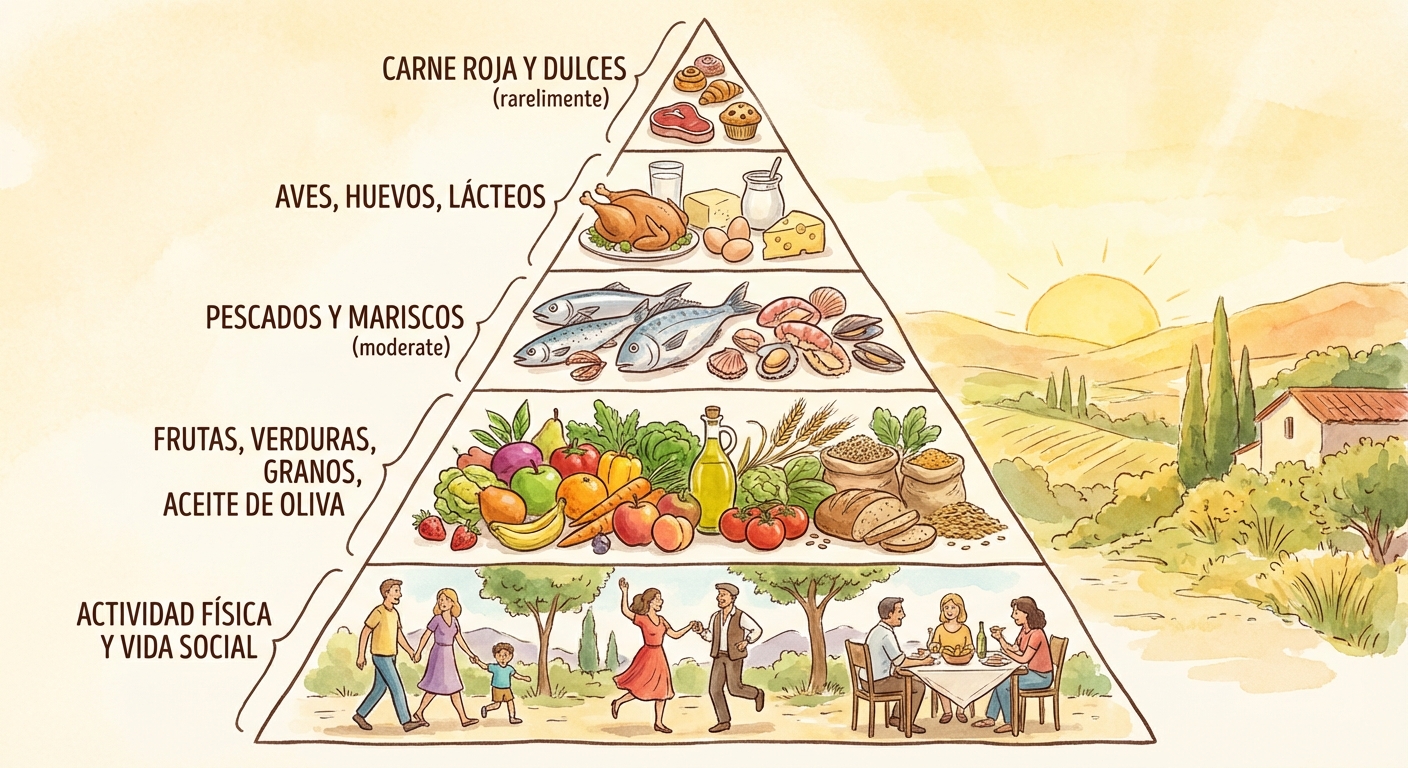
Especially relevant when discussing Spain, this is a cultural heritage recognized by UNESCO. It is not just about food, but a lifestyle.
Core Components:
- High consumption of olive oil, fruits, vegetables, and legumes.
- Moderate consumption of fish and poultry.
- Low consumption of red meat and sugar.
- Social Aspect: Meals are communal events, not rushed intake of fuel.
Contemporary Health Issues
Be prepared to discuss modern challenges to well-being:
- Sedentarismo: A sedentary lifestyle caused by technology and office jobs.
- Salud mental: The stigmatization of mental health is decreasing, but access to therapy is still a challenge in many developing regions.
- Etiquetado de alimentos: New laws in countries like Mexico and Chile require black warning labels on food packaging for high sugar/fat content to combat obesity.
Leisure and Sports (El entretenimiento y la diversión / El ocio)
How people spend their free time (tiempo libre) is a direct reflection of