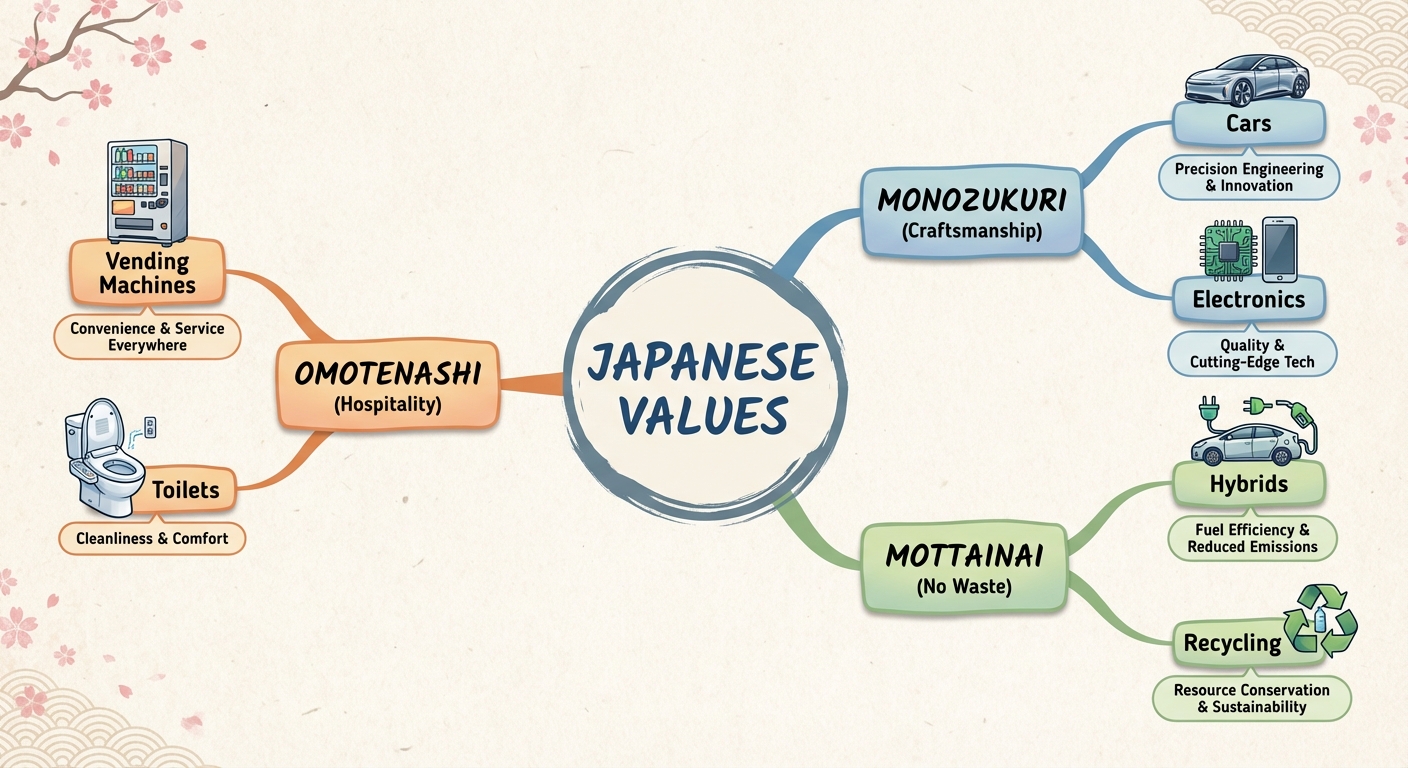
Innovations and Their Impact: Science and Technology in Japanese Society
Unit 4: How Science and Technology Affect Our Lives
This unit explores not only the hardware of technology in Japan but the cultural perspectives that drive innovation. Japan is unique in its blend of ancient traditions and futuristic technology, often using the latter to solve modern demographic problems.
1. Transportation Technology (交通技術)
Japan's transportation network is world-famous for punctuality (時間の正確さ - jikan no seikakusa), safety (安全性 - anzensei), and efficiency. It is often the first interaction visitors have with Japanese technology.
1.1 The Shinkansen (新幹線 - Bullet Train)
- Definition: A network of high-speed railway lines operated by Japan Railways (JR), originally launched in 1964 for the Tokyo Olympics.
- Key Characteristics:
- Speed: Operational speeds reach up to 320 km/h (approx. 199 mph).
- Safety: Zero passenger fatalities due to derailment or collisions in its history.
- Punctuality: The average delay is often less than a minute per year.
- Service Classes:
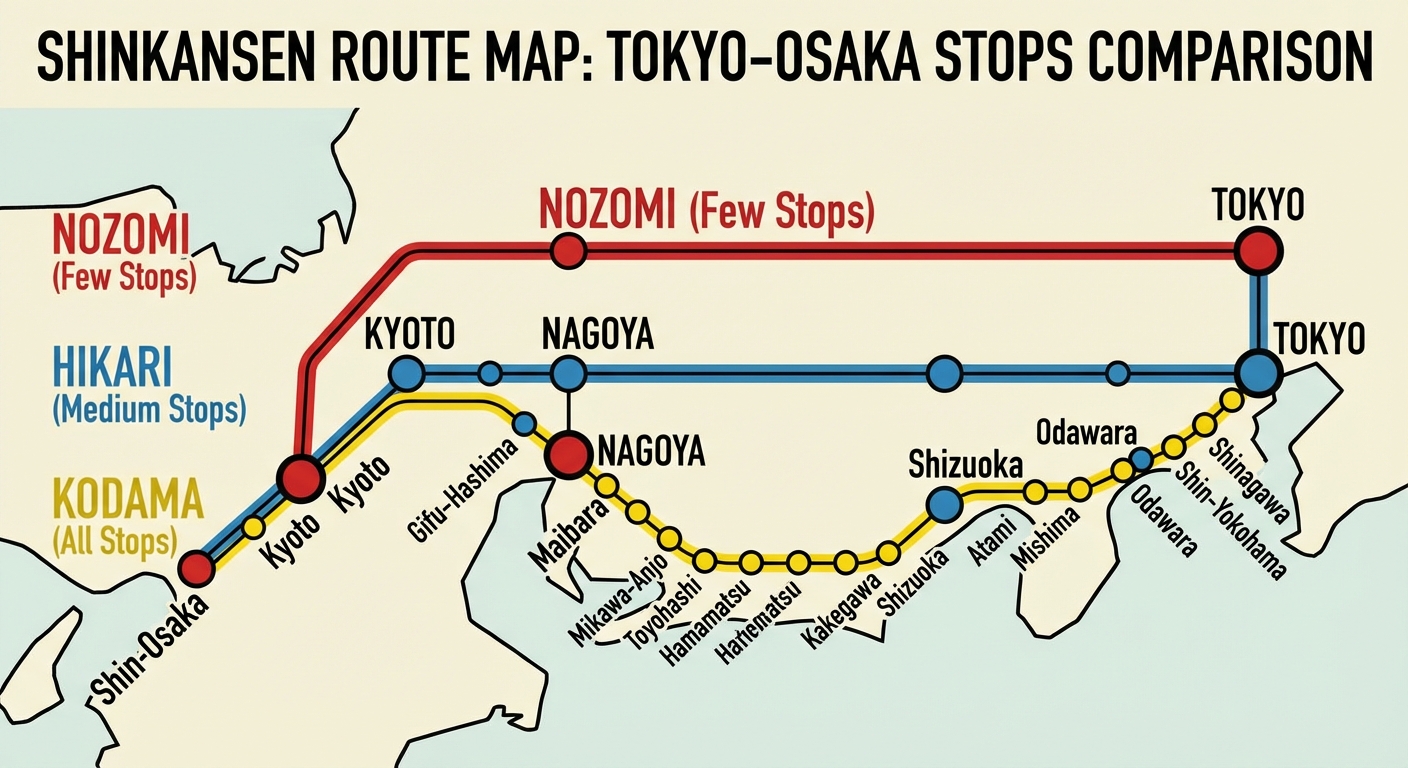
- Nozomi/Hayabusa (Fastest): Stops only at major hubs.
- Hikari (Semi-Fast): Stops at more stations.
- Kodama (Local): Stops at every station on the Shinkansen line.
- Cultural Insight: The "7-Minute Miracle" refers to the cleaning crew who clean the entire train interior in just 7 minutes at the terminal station, showcasing Japanese efficiency and specialized tools.
1.2 Urban Transit: Monorails and IC Cards
- Monorail (モノレール): Used in dense urban areas like Tokyo (Haneda Airport line) and Okinawa. They are often suspended or straddle a beam to save space.
- IC Cards (Suica / Pasmo): Rechargeable smart cards used for trains, buses, vending machines, and konbini payments. This seamless integration of payment tech is central to urban Japanese life.
2. The Automotive Industry (自動車産業)
Japan is one of the world's largest vehicle manufacturers, known for the philosophy of Kaizen (改善)—continuous improvement.
2.1 Industry Giants & Exports
- Major Players: Toyota, Honda, Nissan, Mazda, Subaru.
- Reputation: High reliability, fuel efficiency, and compact design.
- Exports: Japan exports over 4.6 million vehicles annually, significantly impacting the US, Canadian, and Chinese markets.
2.2 Eco-Friendly Innovation
- Hybrid Vehicles (HV): Toyota popularized the hybrid market with the Prius. These combine a gasoline engine with an electric motor.
- Electric Vehicles (EV): Known as Denki Jidōsha (電気自動車). The industry is pivoting toward battery-powered cars (batterī kā) to meet carbon neutrality goals.
- Key Term: Kei Cars (The K-Car). Small, boxy, yellow-plated cars exclusive to Japan. They are tax-advantaged and designed to fit narrow Japanese roads, utilizing tech to maximize interior space in a tiny footprint.
3. Robotics and AI (ロボット技術与とAI)
Japan is often called the "Robot Kingdom." Unlike Western media which often portrays robots as threats (e.g., Terminator), Japanese culture—influenced by anime like Astro Boy (Tetsuwan Atomu) and Doraemon—views robots as helpful partners.
3.1 Types of Robots
- Humanoid Robots (人型ロボット):
- ASIMO (Honda): Now retired, it was a pioneer in walking, running, and recognizing faces/gestures.
- Pepper (SoftBank): An emotional recognition robot used in stores to greet customers (Omotenashi).
- Animal/Therapy Robots:
- AIBO (Sony): A robotic dog. The name comes from "AI" + "Robot" and also sounds like Aibō (partner/pal).
- PARO: A robotic seal used in nursing homes to provide comfort to patients with dementia, demonstrating Iyashi (healing) technology.
- Industrial Robots:
- Used extensively in manufacturing (factories) to maintain precision and speed.
3.2 Robots and the Aging Society (高齢化社会)
- The Problem: Japan has a rapidly aging population and a shrinking workforce (labor shortage).
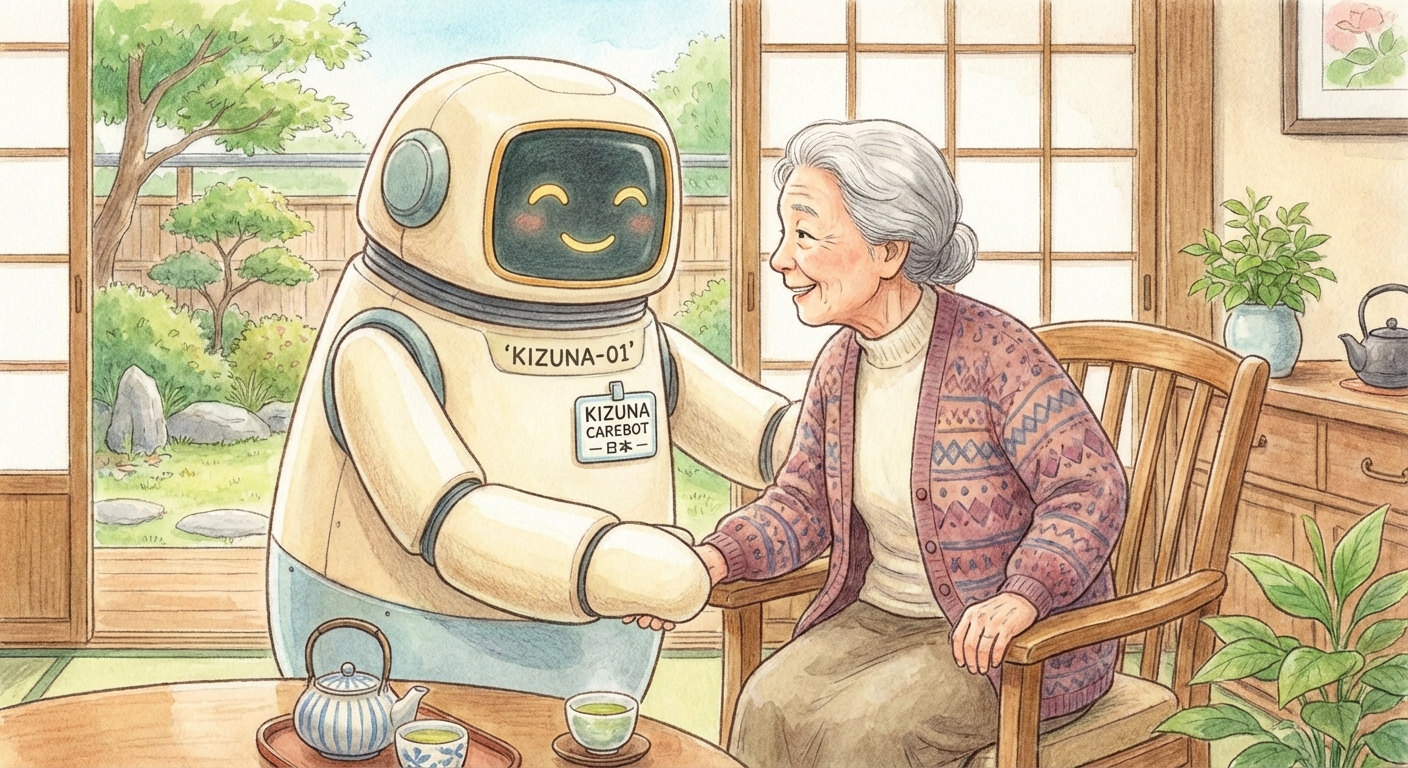
- The Tech Solution: Japan invests heavily in Carebots (Kaigo Robotto) to lift patients, monitor health, and provide companionship to the elderly, reducing the burden on human staff.
4. Technology in Daily Life (日常生活)
Foreign visitors are often surprised by how integrated automation is in everyday Japanese conveniences.
4.1 Vending Machines (自動販売機 - Jidōhanbaiki)
- Ubiquity: There is approximately 1 vending machine for every 23 people.
- Technology: Machines dispense both hot (atataka-i) and cold (tsumeta-i) drinks simultaneously. Many barely require interaction, accepting IC cards or phone payments.
- Safety: They are rarely vandalized and often serve as emergency supply stations (providing free drinks) during disasters like earthquakes.
4.2 High-Tech Toilets (Washlets)
- Functionality: Features include heated seats, bidet functions (spray), air deodorizers, and Otohime (Sound Princess)—a button that plays flushing sounds to mask personal noise.
- Cultural Value: Reflects the Japanese emphasis on cleanliness and consideration for others.
4.3 Bathing Culture (お風呂)
modern Japanese bathrooms are automated. Control panels in the kitchen allow users to fill the bathtub to a specific temperature and volume automatically, and the system announces "The bath is ready" (Ofuro ga wakimashita).
5. Communication and Mobile Culture
5.1 From Galápagos to Smartphones
- Galápagos Phones (Garakei): Before the iPhone, Japan had highly advanced flip-phones with TV tuners and e-wallets that didn't work outside Japan (hence the "Galápagos syndrome" metaphor).
- Smartphones (Sumaho): Now dominant. The primary app for communication is LINE.
- LINE Culture: Users communicate using "Stamps" (stickers). The "Read" (Kidoku) function became crucial after the 2011 Earthquake to confirm safety.
5.2 Mobile Manners (マナー)
- Manner Mode (マナーモード): It is considered extremely rude to talk on the phone on trains or buses. Phones must be set to silent (manner mode).
- Emoji: The word comes from Japanese (e = picture, moji = character). Invented in Japan in the late 90s.
6. Disaster Prevention Technology (防災技術)
Given that Japan is an earthquake-prone archipelago, science focuses heavily on safety.
6.1 Architecture
- Taishin (耐震): Earthquake-resistant construction. Buildings are designed with shock absorbers and flexible joints.
- Tokyo Skytree: The world's tallest broadcasting tower uses a central pillar design inspired by ancient pagodas (Shinbashira) to absorb quake vibrations.
6.2 Early Warning Systems
- J-Alert: A satellite-based system that sends instant warnings to TV, Radio, and Loudspeakers about earthquakes, tsunamis, or missile threats.
- Mobile Alerts: Phones in Japan emit a loud, distinct alarm seconds before strong tremors arrive (Yure-kuru), giving people time to take cover.
7. Science, Research, and National Identity
7.1 Government Institutions
- MEXT (Ministry of Education, Culture, Sports, Science, and Technology): The government body that oversees research funding and education.
- JST (Japan Science and Technology Agency): Focuses on commercializing research and promoting science communication.
- JAXA (Japan Aerospace Exploration Agency): The "NASA of Japan." Famous for the Hayabusa missions (asteroid sample return) and the Kibo module on the ISS.
7.2 Global Recognition
Japan frequently produces Nobel Prize laureates in Chemistry, Physics, and Medicine.
- Blue LED: Invented by Akasaki, Amano, and Nakamura (Nobel 2014); revolutionized energy-efficient lighting.
- Lithium-Ion Batteries: Developed by Akira Yoshino (Nobel 2019); powers modern mobile life.
7.3 Monozukuri (ものづくり)
- Definition: Literally "thing-making," but implies craftsmanship, pride in manufacturing, and the pursuit of perfection.
- Application: This spirit applies to everything from traditional pottery to designing the latest semiconductor or hybrid engine.
8. Common Mistakes & Vocabulary Pitfalls
Mistakes in Cultural Understanding
- Assuming Japanese people want robots to replace humans: The goal is usually coexistence (kyōsei) to handle labor shortages, not to replace humanity.
- Talking on the train: Students often forget that despite high mobile usage, talking on the phone on public transport is a major taboo.
- Confusing "Science" vocabulary:
- Kagaku (科学) = Science.
- Kagaku (化学) = Chemistry. (Same pronunciation, different Kanji/meaning. Usually context makes it clear, or Chemistry is called "Bake-gaku" colloquially to distinguish).
Exam Writing Tips
- Cause/Effect: When discussing tech, use grammar structures like
~のおかげで(thanks to…) or~せいで(due to… negative nuance).- Example: "Thanks to the Shinkansen, travel became convenient." (新幹線のおかげで、旅行が便利になりました。)
- Change in State: Use
~ようになります(to reach a state where you can…).- Example: "Robots will come to be used in nursing homes." (老人ホームでロボットが使われるようになるでしょう。)