AP Chinese Unit 5: Dimensions of Well-being and Lifestyle
Introduction into Quality of Life (生活质量)
In the AP Chinese Language and Culture curriculum, Unit 5: Factors That Impact the Quality of Life explores how various elements of society—traditions, modern pressures, health practices, and leisure—affect the daily lives and happiness of Chinese people.
Quality of Life is not just about economics; in Chinese culture, it heavily relies on Harmony (和 - Hé). This includes harmony with nature, harmony within the body (health), and harmony in relationships.
Key Concepts
- 生活质量 (Shēnghuó zhìliàng): Quality of Life.
- 养生 (Yǎngshēng): Life cultivation/Wellness practices.
- 压力 (Yālì): Stress (often from education or housing).
- 休闲 (Xiūxián): Leisure.
Traditional Festivals and Family Cohesion
Festivals are a pillar of "Quality of Life" in China because they ensure family reunions (团圆 - Tuányuán), which provides emotional support and social stability.
Spring Festival (Chinese New Year)
- Definition: The most significant festival, marking the first day of the lunar calendar.
- Impact on Life: It is the primary time for returning home. The travel rush is known as Chunyun (春运).
- Key Traditions:
- Red Envelopes (红包 - Hóngbāo): Given to children/elders for luck.
- Dumplings (饺子 - Jiǎozi): Eaten in the north; shaped like ingots for wealth.
- Fish (鱼 - Yú): A homophone for "surplus" (年年有余 - May you have surplus every year).
- Taboos: No sweeping the floor on New Year's Day (don't sweep away luck).
Qingming Festival (Tomb Sweeping Day)
- Timing: 15th day after the Spring Equinox (April 4/5).
- Purpose: Filial piety (孝顺 - Xiàoshùn) extends beyond death.
- Activities: Cleaning ancestors' graves, offering food/incense, and Spring Outings (踏青 - Tàqīng). It balances grief with the appreciation of nature's rebirth.
Dragon Boat Festival (Duanwu)
- Timing: 5th day of the 5th lunar month.
- Origin: Commemorates the patriotic poet Qu Yuan, who drowned himself to protest corruption.
- Customs:
- Dragon Boat Racing: Promotes teamwork and physical fitness.
- Zongzi (粽子): Sticky rice dumplings wrapped in bamboo leaves.
- Health Aspect: Hanging calamus and moxa leaves to repel insects/disease (ancient hygiene practice).
Mid-Autumn Festival (Moon Festival)
- Timing: 15th day of the 8th lunar month.
- Symbolism: The full moon represents completeness and family unity.
- Legend: Chang'e (Moon Goddess) flying to the moon.
- Food: Mooncakes (月饼 - Yuèbǐng), often filled with lotus paste or red bean.
Health and Wellness: Traditional Chinese Medicine (TCM)
In China, maintaining health is a proactive lifestyle choice called Yangsheng (养生), not just treating illness.
Core Concepts of TCM
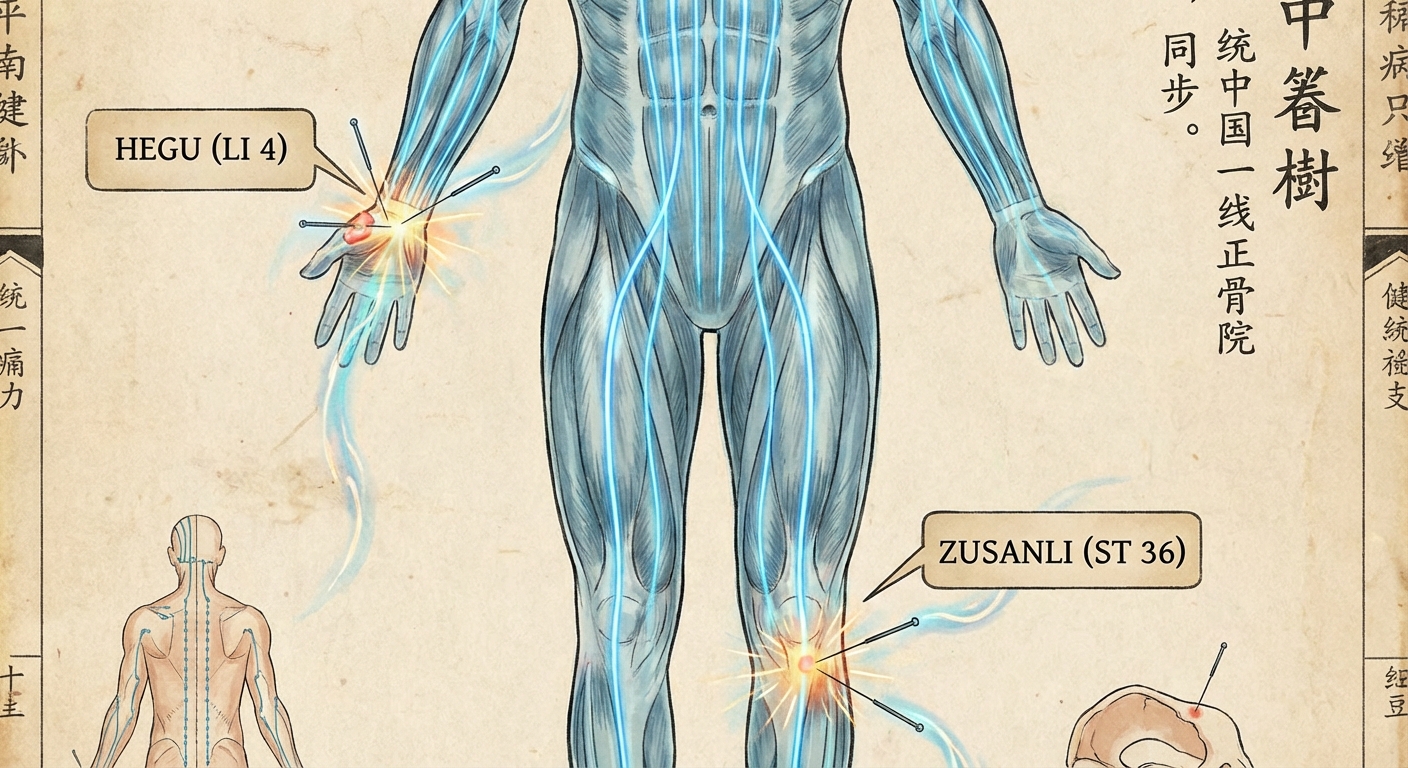
- Qi (气): The vital life energy flowing through the body.
- Yin and Yang (阴阳): Opposing forces that must be balanced (e.g., Hot vs. Cold).
- Meridians (经络): Channels through which Qi flows.
Common Therapies
- Acupuncture (针灸): Inserting thin needles to unblock Qi. Recognized by the WHO for pain relief.
- Example Point: LI4 (Hegu) on the hand for headaches.
- Cupping (拔罐): Uses suction cups (glass/plastic) to pull skin.
- Purpose: Draws out toxins, improves blood flow, relieves muscle tension.
- Side Effect: Circular purple bruises (pain-free) that fade in days.
- Guasha (刮痧): Scraping skin with a smooth tool (jade/stone).
- Purpose: Releases heat and stagnant Qi. deeply connected to treating inflammation.
- Herbal Medicine (中药):
- Ginseng: Energy boost.
- Ginger: Digestion/nausea.
- Goji Berries: Eye health.
- Concept: Yi Shi Tong Yuan (医食同源) — Medicine and food have the same source.
Environment and Living Spaces
Your physical environment directly impacts your mental state and fortune within Chinese culture.
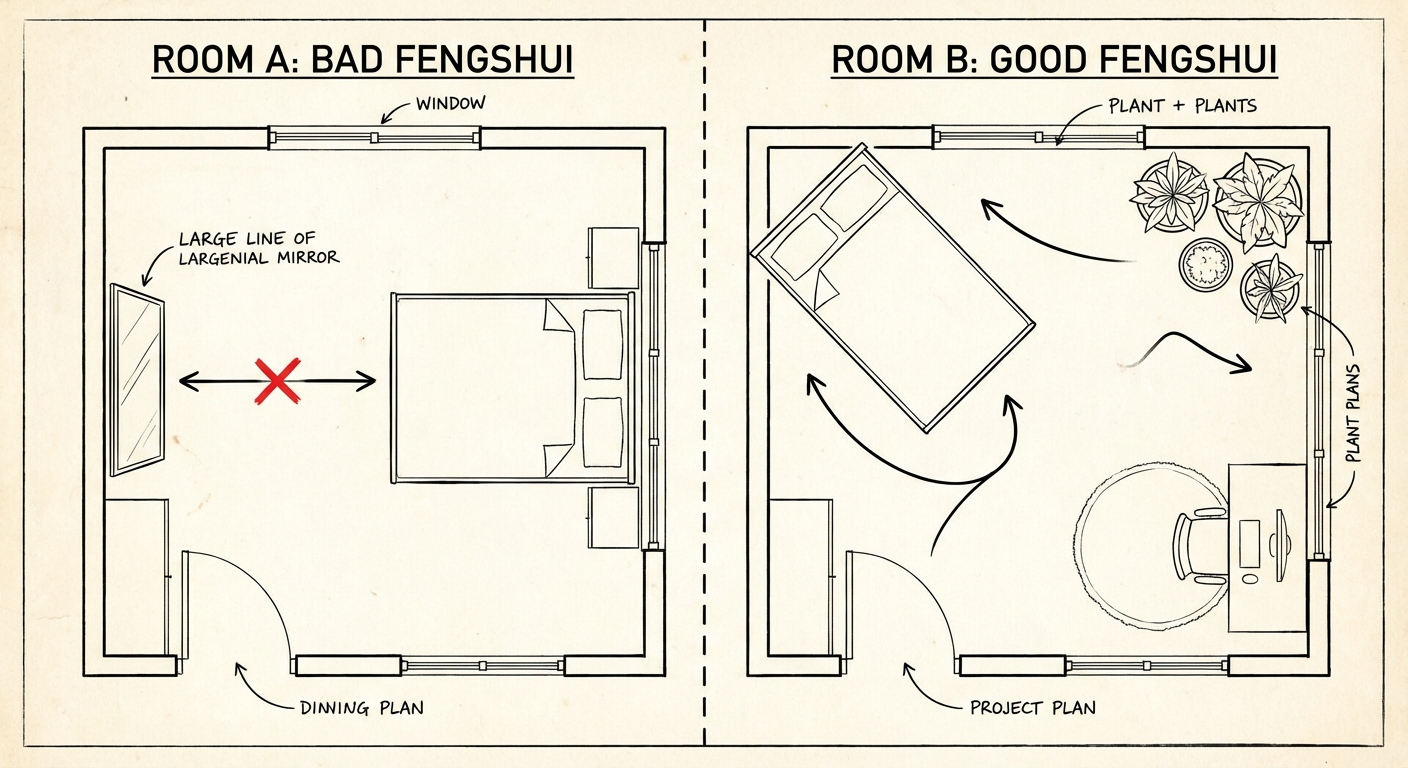
Fengshui (风水)
- Literal Meaning: "Wind and Water."
- Definition: The art of placement/design to harmonize individuals with their surrounding environment.
- Common Applications for Quality of Life:
- Orientation: Houses traditionally face South to maximize sunlight and avoid cold North winds.
- Flow: Avoid clutter to let Qi flow freely.
- Elements: Balancing Wood, Fire, Earth, Metal, and Water in decor.
Modern Housing Issues
- Urbanization: Shift from Siheyuan (Courtyard houses) to high-rise apartments.
- Impact: less community interaction between neighbors in high-rises compared to old Hutongs.
- Multi-generational Living: While decreasing, it is still common for grandparents to live with children to help raise grandchildren, relieving childcare stress.
Leisure, Arts, and Self-Cultivation
Hobbies in China are often seen as methods for self-improvement and stress reduction.
Chinese Tea Culture (茶文化)
- Social Function: Tea houses are hubs for business and socializing.
- Mental Health: The Tea Ceremony (功夫茶 - Gōngfū chá) emphasizes mindfulness, patience, and etiquette.
- Etiquette: Finger tapping on the table is a silent way to say "thank you" when served.
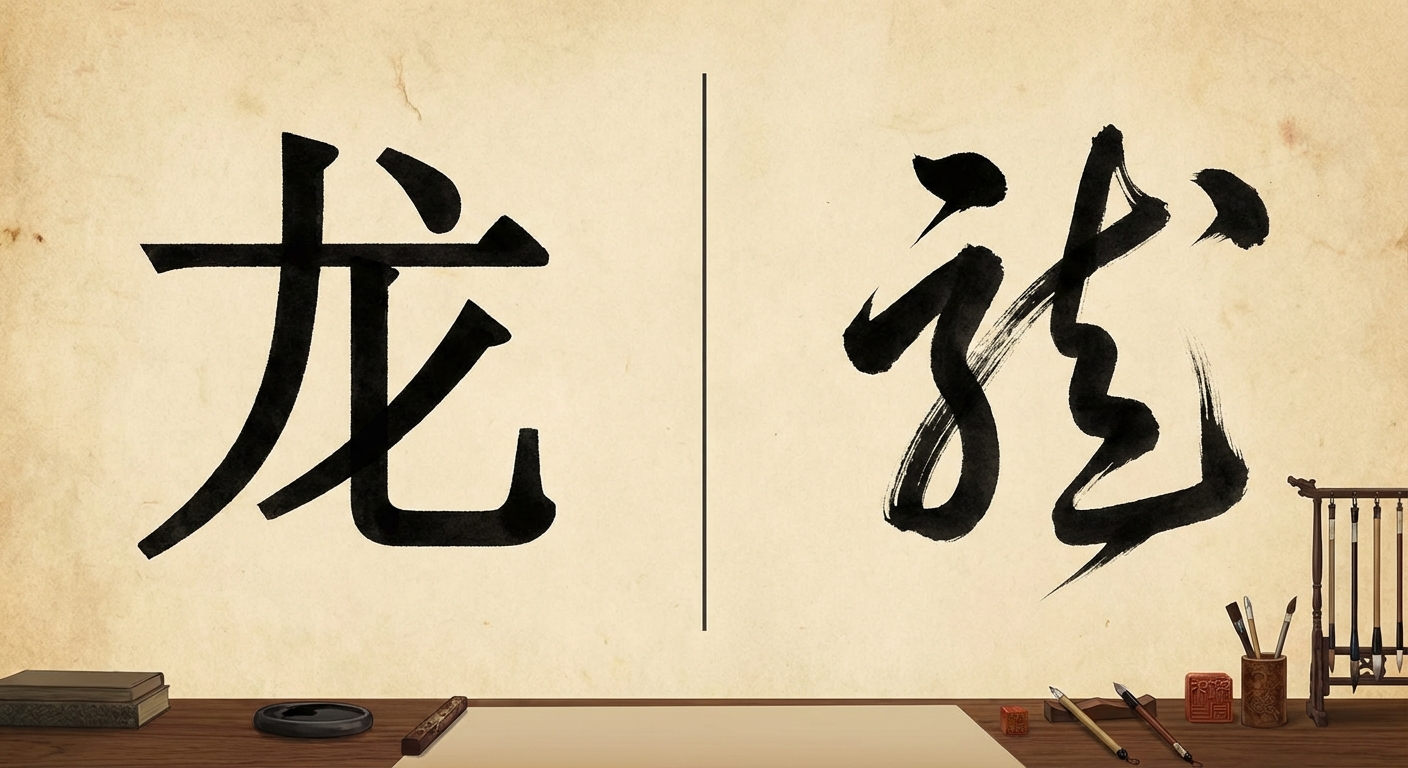
Calligraphy (书法)
- More than writing: It is a form of meditation and Qi cultivation.
- The Four Treasures of the Study (文房四宝): Brush (笔), Ink (墨), Paper (纸), Inkstone (砚).
- Styles:
- Regular Script (Kaishu): Standard, clear (used today).
- Cursive/Grass Script (Caoshu): Artistic, flowing, abstract.
Martial Arts (Wushu & Tai Chi)
- Tai Chi (Taijiquan): Slow, flowing movements practicing in parks by elders.
- Benefit: Balance, flexibility, mental calm.
- Kung Fu: External strength and discipline.
Modern Leisure: Square Dancing (广场舞)
- What is it? Groups of (mostly) older women dancing in public squares/parks in the mornings/evenings.
- QoL Impact: Provides crucial exercise and social interaction for the elderly, reducing loneliness.
Education and Career Pressures
No Unit 5 study is complete without addressing the stressors that impact Quality of Life.
The GaoKao (高考)
- Definition: The National College Entrance Examination.
- Impact: It is the sole determinant for university admission.
- Effect on Life: High school years are extremely stressful, with little sleep or leisure. It creates a "pressure cooker" environment affecting student mental health.
Work Culture
- 996 Culture: Working 9am to 9pm, 6 days a week (common in tech).
- Tang Ping (躺平 - Lying Flat): A modern youth counter-movement rejecting high pressure/consumerism in favor of a low-stress life.
Common Mistakes & Exam Pitfalls
Confusing Festivals:
- Mistake: Mixing up Moon Festival foods (Mooncakes) with Dragon Boat foods (Zongzi).
- Fix: Moon is round = Round Mooncakes. Dragon Boat = Qu Yuan needs food thrown in river = Sticky rice wrapped in leaves.
Oversimplifying Fengshui:
- Mistake: Calling it "superstition."
- Fix: In AP exams, refer to it as a traditional cultural practice regarding harmony with nature and environmental psychology.
TCM vs. Western Medicine:
- Mistake: Assuming Chinese people only use TCM.
- Fix: Modern China uses Integrated Medicine. People go to hospitals for surgery/acute issues but use TCM for chronic pain, recovery, and prevention.
Tai Chi Demographics:
- Mistake: Thinking Tai Chi is for combat.
- Fix: In the context of Quality of Life, Tai Chi is primarily an exercise for senior citizens for health and balance.