Unit 5 Comprehensive Guide: Factors That Impact the Quality of Life
Overview: The Pursuit of a "Good Life" in China
In AP Chinese Unit 5, we explore the factors that influence the quality of life (shenghuo zhiliang) in contemporary China. This unit connects directly to the Contemporary Life theme of the AP curriculum.
To excel in the Cultural Presentation and Conversation sections of the exam, you need to understand how Chinese people balance tradition and modernity in three key areas: Education, Health, and Leisure.
Education and Career (Jiaoyu he Zhiye)
Education is deeply rooted in Confucian values, where academic achievement is seen as the primary path to social mobility and family honor.
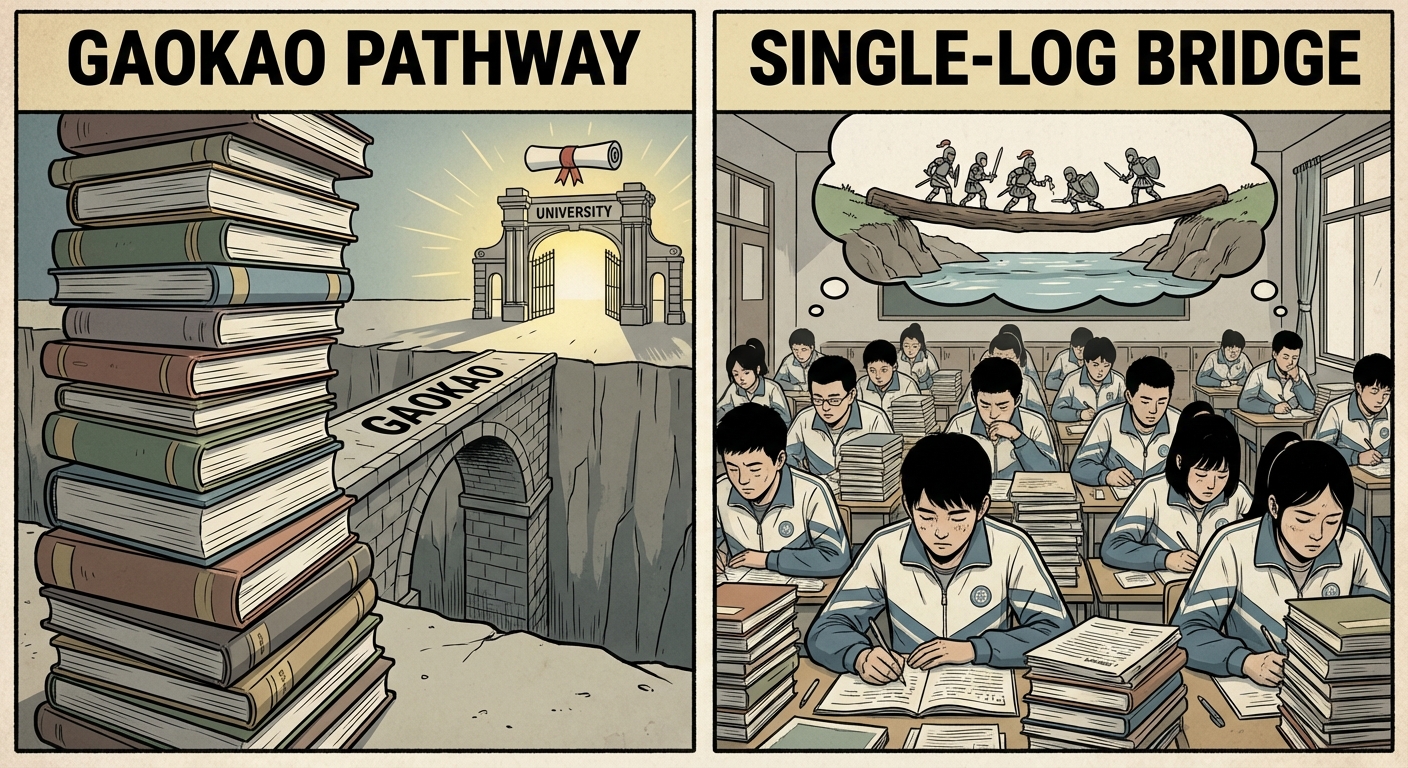
1. The Gaokao: The "Single Log Bridge"
The National College Entrance Examination, known as the Gaokao (高考), is arguably the most influential event in a Chinese student's life. It is often described metaphorically as "thousands of soldiers and horses crossing a single-log bridge" (qian jun wan ma guo du mu qiao).
- Key Concept: The score on this single exam determines which university a student attends, which in turn heavily influences their future career and social status.
- Impact on Quality of Life: While it promotes meritocracy, it creates immense stress (yali) for students and parents.
- Phenomenon: Cram Schools (Buxiban 补习班): To prepare, students often attend after-school tutoring. Recently, the government introduced the "Double Reduction Policy" (shuang jian zhengce) to reduce the burden of homework and off-campus tutoring, aiming to improve students' sleep and mental health.
2. Career and Work Culture
Once students graduate, the focus shifts to career stability and income.
- The Iron Rice Bowl (Tie Fan Wan 铁饭碗): Historically, this referred to secure, lifetime state jobs. While less common now, government jobs (gongwuyuan) are still highly coveted for their stability.
- 996 Work Culture: In the tech sector and competitive private companies, the term "996" refers to working from 9:00 am to 9:00 pm, 6 days a week. This has sparked intense national debate regarding work-life balance and burnout.
- Tang Ping (Lying Flat 躺平): A recent counter-movement among youth rejecting the intense pressure to overwork, choosing instead to do the bare minimum to get by.
Health and Well-Being (Jiankang he Xingfu)
Chinese views on health often blend modern Western medicine with Traditional Chinese Medicine (TCM).
1. Traditional Chinese Medicine (TCM)
TCM (Zhongyi 中医) is not just medical treatment; it is a philosophy of life rooted in keeping the body in balance.
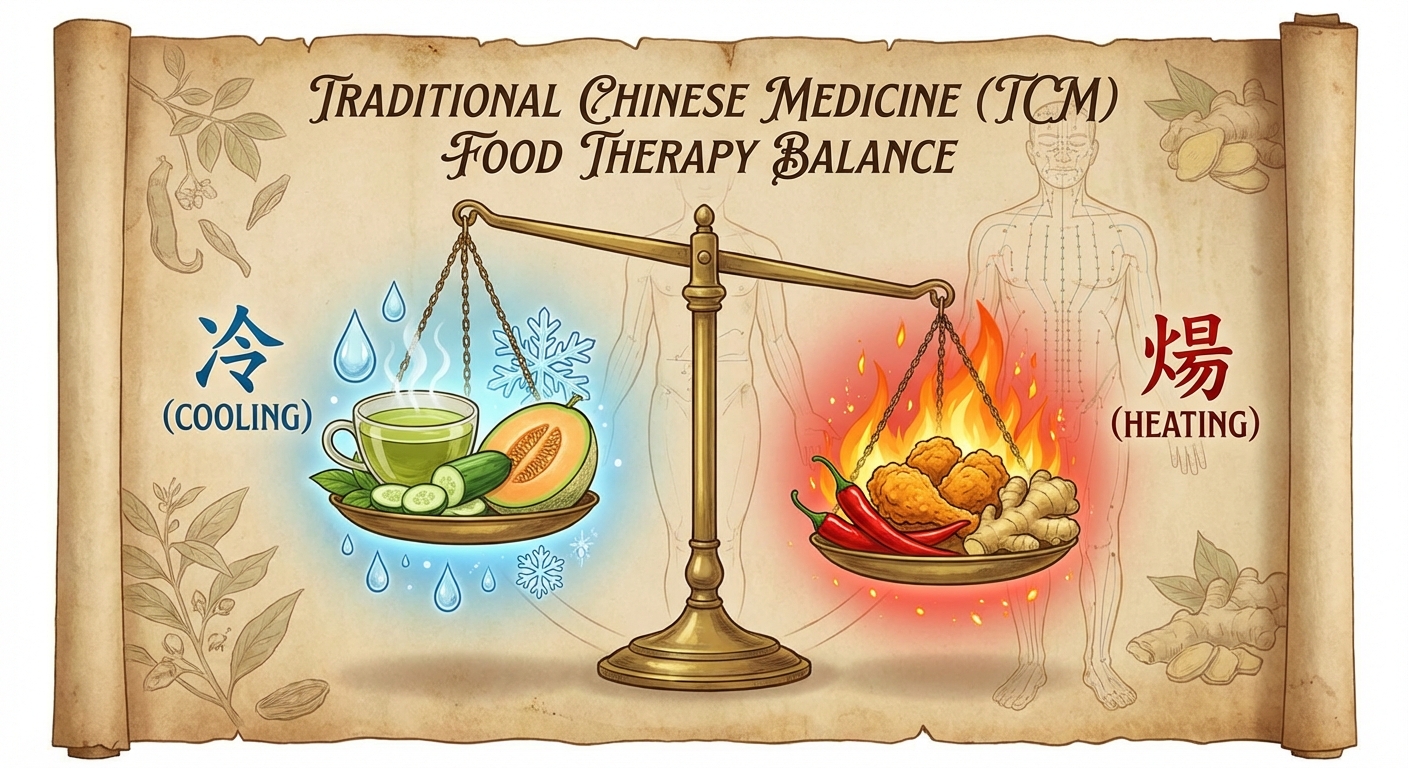
- Yin and Yang Balance: Health is the balance of Yin (cool, passive) and Yang (hot, active) energies.
- Qi (Vital Energy): The flow of energy through meridians in the body. Treatments like Acupuncture (zhenjiu) aim to unblock this flow.
- Food Therapy (Shi liao): The belief that food and medicine share the same origin (yao shi tong yuan). For example, drinking ginger soup for a cold.
2. The Concept of "Shanghuo" (Internal Heat)
This is a critical cultural concept to know for the exam.
- Definition: Shanghuo (上火) literally means "on fire" or "internal heat." It describes a state of inflammation or imbalance caused by eating spicy/fried foods, staying up late, or stress.
- Symptoms: Sore throat, acne, toothache.
- Remedy: Consuming "cooling" foods like herbal tea (liang cha), cucumber, or mung beans.
3. Exercise and Public Health
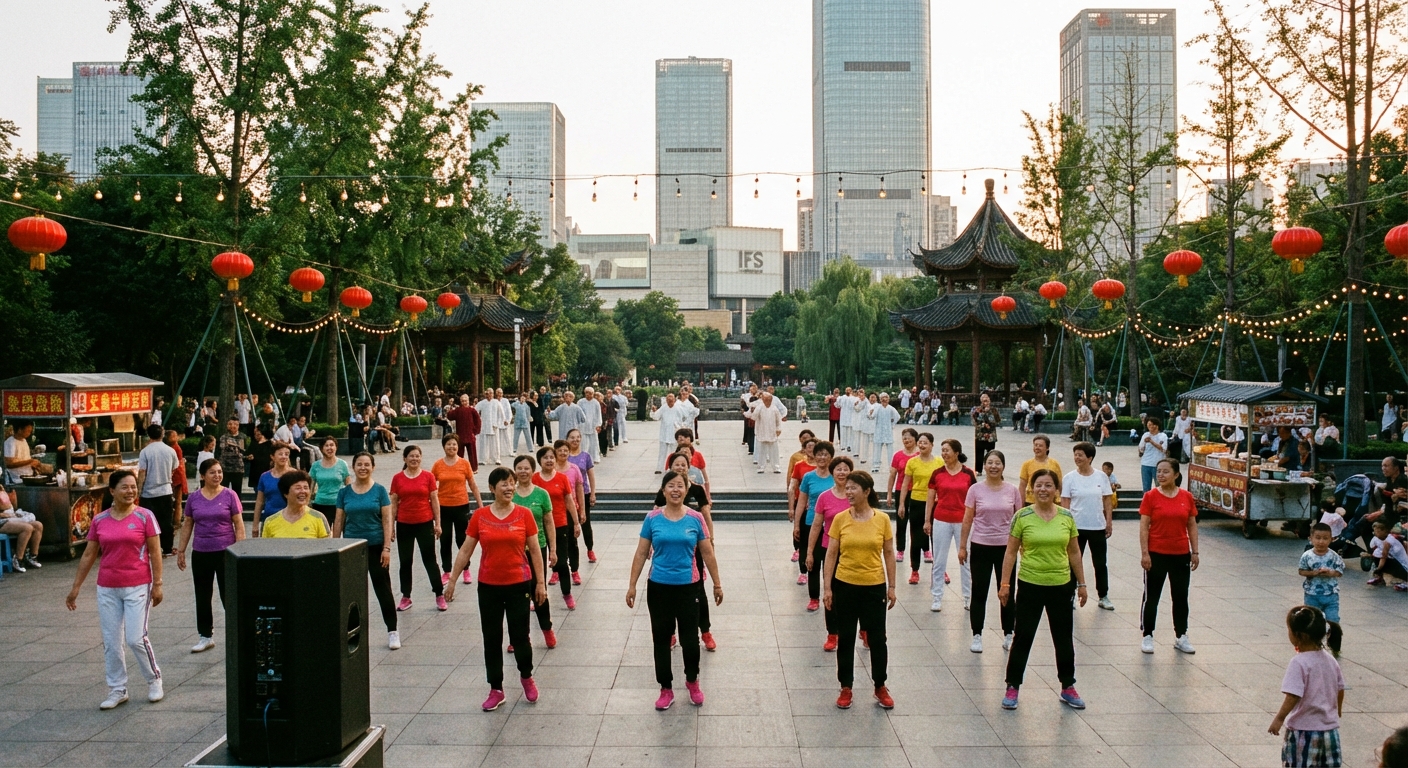
Public exercise in China is highly communal and visible.
- Square Dancing (Guangchangwu 广场舞): Middle-aged and elderly women (often called Dama) dance in public plazas and parks mornings and evenings to stay fit and socialize. It is a massive cultural phenomenon promoting physical and mental health for seniors.
- Tai Chi (Taijiquan 太极拳): A slow, martial art focusing on breath and movement, popular among the elderly for balance and longevity.
- Morning Exercises: Schools often require students to do group calisthenics (radio gymnastics) to promote fitness.
Leisure and Sports (Xiuxian he Yundong)
As the quality of life improves, how Chinese people spend their free time has evolved from simple relaxation to consumption and travel.
1. Popular Sports
- Ping Pong (Table Tennis): Known as the "National Ball" (Guo Qiu). It is accessible, requires little space, and China dominates globally. It is a symbol of national pride.
- Badminton: Extremely popular for recreation in parks and gyms.
- Basketball: Highly popular among youth, largely driven by the NBA's influence and Yao Ming's legacy.
2. Travel and Holidays
- Golden Weeks: National holidays (like Lunar New Year and National Day) where workers get 7 consecutive days off. This leads to a massive surge in domestic and international tourism (chunyun - the spring festival travel rush).
- High-Speed Rail: The extensive high-speed train network has made weekend trips and domestic tourism much more accessible, improving the quality of leisure life.
3. Digital Leisure
- Mobile Life: Leisure is increasingly digital. Short videos (Douyin/TikTok), mobile gaming, and livestream shopping are dominant pastimes.
- KTV (Karaoke): A traditional staple of nightlife and social gatherings, though its popularity is shifting more toward older generations or specialized apps.
Cultural Comparison: China vs. The West
This section is vital for the Cultural Presentation task.
| Feature | China | The West (US) |
|---|---|---|
| Education Focus | Memorization, standardized testing (Gaokao), collective success. | Critical thinking, holistic application review, individual development. |
| Medicine | Integration of TCM and Western medicine; focus on prevention/balance (yangsheng). | Primarily Western allopathic medicine; focus on treating symptoms/pathogens. |
| Elderly Leisure | Communal activities (Square dancing, Tai Chi in parks); living with children. | Individual hobbies (Golf, gardening); often living in independent or assisted living. |
| Dining | Shared dishes (Lazy Susan), communal style represents unity. | Individual plates, focus on individual choice. |
Common Mistakes & Pitfalls
Confusing "Ping Pong" with "Basketball":
- Mistake: Saying Basketball is the national sport.
- Correction: Basketball is growing and popular among youth, but Ping Pong is the "National Ball" (Guo Qiu) with deeper historical and diplomatic significance (Ping Pong Diplomacy).
Misunderstanding "Shanghuo":
- Mistake: Translating Shanghuo as merely "getting angry" or "having a fever."
- Correction: It is a specific TCM state of internal inflammation. Use the term in the context of diet or stress (e.g., "I ate too much fried chicken, so I have shanghuo.").
Stereotyping Education:
- Mistake: Assuming all Chinese students only study rote memorization.
- Correction: While the Gaokao pressures exist, modern reforms emphasize creativity and well-roundedness (suzhi jiaoyu). Acknowledge specific changes like the "Double Reduction Policy."
Overlooking Regional Diversity:
- Mistake: Assuming diet and lifestyle are the same everywhere.
- Correction: Remember "South Rice, North Wheat" (Nan Mi Bei Mian). Lifestyles vary between the fast-paced Tier 1 cities (Shanghai, Beijing) and rural areas.