AP Spanish Unit 5 Study Guide
Unit 5: Factors That Impact the Quality of Life
(Los factores que influyen en la calidad de vida)
In this unit, the AP Spanish Language and Culture curriculum explores how aspects of everyday life—such as education, career, lifestyle choices, leisure, and environment—affect the well-being of individuals and communities in the Spanish-speaking world.
This unit focuses heavily on Cultural Comparison (Comparación cultural). You must be able to compare how these factors manifest in your own community versus a Spanish-speaking community.
5.1 Education and Careers (La educación y las carreras profesionales)
Education is a primary determinant of quality of life. In the Spanish-speaking world, educational structures and the approach to professional life often differ from the U.S. model.
The Educational System (El sistema educativo)
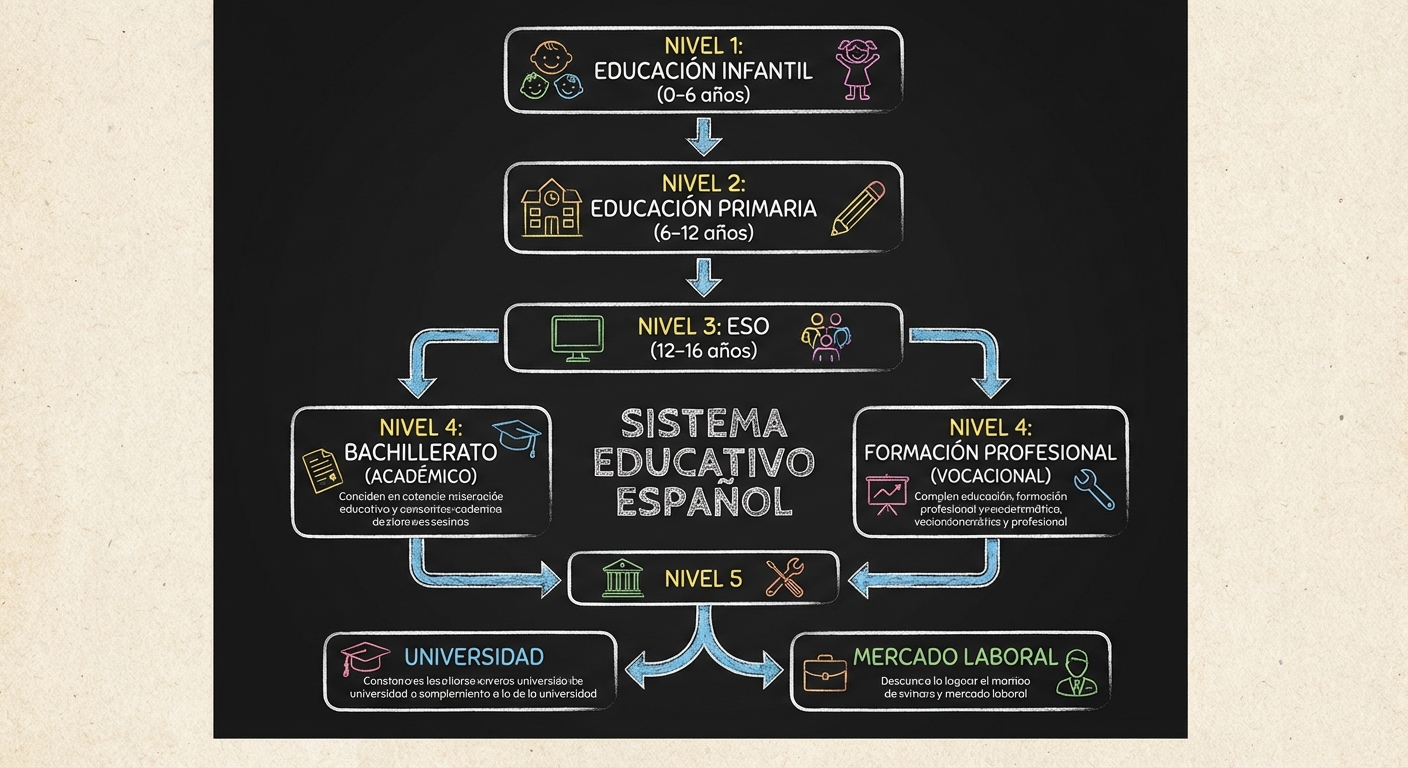
Unlike the U.S. K-12 system, many Hispanic countries follow a tiered system that separates general education from specialized pre-university preparation.
Key Stages (General Model based on Spain/Mexico):
- Educación Infantil / Preescolar: (Ages 0-6) Non-compulsory. Focuses on socialization (socialización) and play.
- Educación Primaria: (Ages 6-12) Compulsory (obligatoria).
- Educación Secundaria Obligatoria (ESO): (Ages 12-16) The final stage of compulsory education.
- Bachillerato (Preparatoria): (Ages 16-18) Specialized high school. This is optional and intended for students planning to attend university. Students choose a track (Sciences, Humanities, Arts).
- Formación Profesional (FP): Vocational training focusing on practical skills (mechanics, hospitality, healthcare) for immediate employment.
University and Professional Life
- Access: In many countries (e.g., Spain, Argentina, Mexico), public universities are either free or very low-cost compared to the U.S. However, admission is highly competitive, often based on a single exam (e.g., La Selectividad in Spain).
- Degrees:
- Licenciatura/Grado: The standard undergraduate degree (4-5 years).
- Maestría: Master’s degree.
- Doctorado: PhD.
- Career Mentalities: In many Hispanic cultures, there is an emphasis on working to live rather than living to work. Stability (estabilidad) often takes precedence over high risk/high reward career paths.
Key Vocabulary
- Beca: Scholarship.
- Carrera: Major or Degree program (Note: Carrera also means "race," but in education, it implies career path).
- Facultad: School or Department within a university (False friend: It does NOT mean "faculty/staff").
- Matrícula: Tuition/Registration fee.
5.2 Lifestyles and Wellness (Los estilos de vida)
How people live, eat, and relate to their environment profoundly impacts their physical and mental health (bienestar).
Diet and Nutrition
The Mediterranean Diet (La dieta mediterránea)
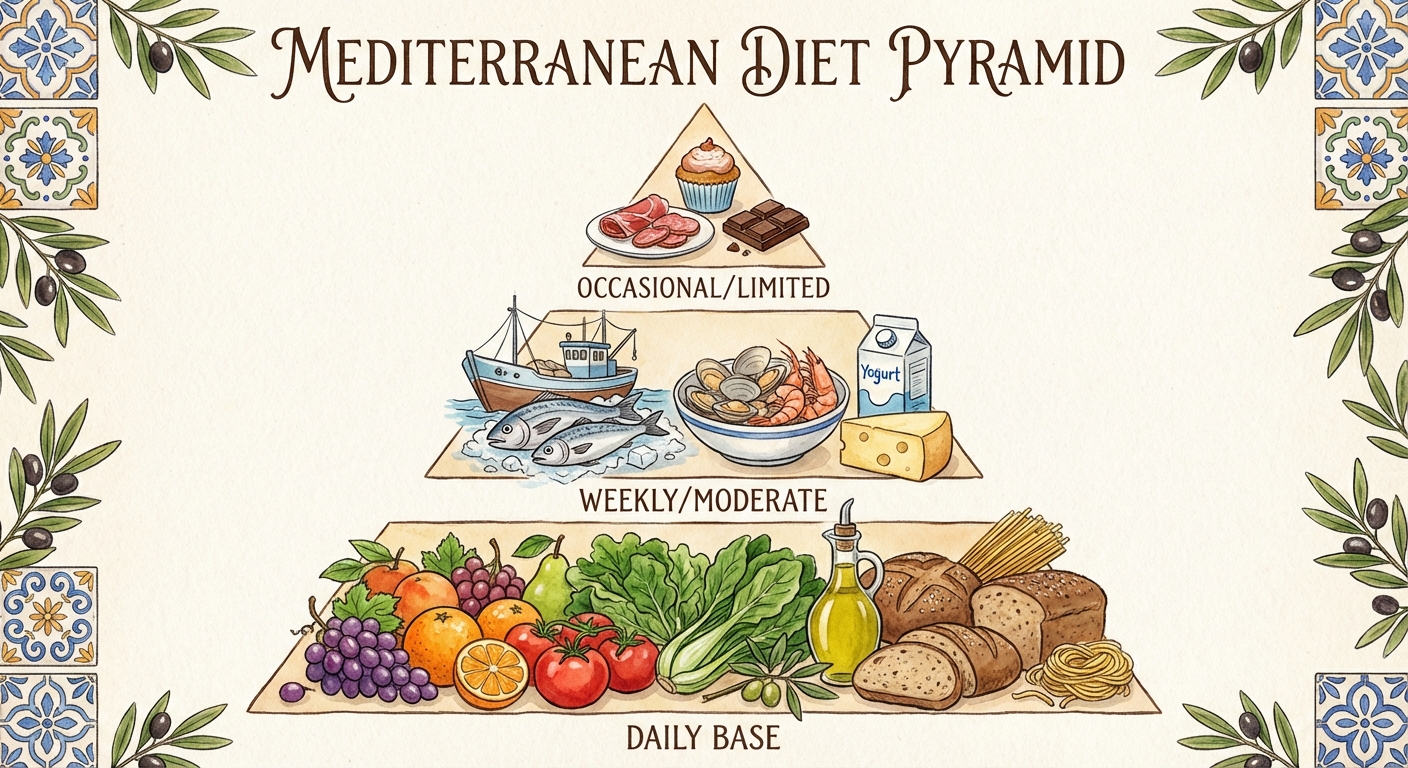
In Spain, the diet is considered intangible cultural heritage by UNESCO. It emphasizes fresh ingredients over processed food.
- Key Components: Olive oil (aceite de oliva), fish (mariscos and oily fish like sardines), legumes, fruits, vegetables, and nuts.
- Health Benefits: High in Omega-3 and monounsaturated fats; linked to lower rates of heart disease and higher longevity.
Latin American Diets
While varied, many Latin American diets rely on the "Three Sisters": Corn (maíz), Beans (frijoles), and Squash (calabaza). However, modern challenges include dietary shifts toward processed foods in urban areas, leading to rising obesity rates in countries like Mexico.
Daily Routine and Health
- La Siesta: Historically common in Spain effectively as a break during the hottest part of the day. In modern urban centers, the 2-hour lunch break is disappearing, but the concept of a "pause" remains culturally significant to reduce stress.
- Work-Life Balance: Many Spanish-speaking countries observe more public holidays (puentes) and generally have later dining times, prioritizing social interaction over early sleep.
- Healthcare (Sanidad): Spain and Costa Rica are noted for high-quality public healthcare systems. Public health is viewed as a right (un derecho) rather than a privilege.
Housing (La vivienda) as a Quality of Life Factor
Challenges in Latin America:
- Asentamientos informales: Also known as favelas, villas miseria, or barrios marginales. These exist on city outskirts, often lacking basic services like water or electricity.
- Gated Communities (Barrios cerrados): A response to security concerns in affluent areas, creating social segregation.
Urban Living in Spain:
- Most Spaniards live in apartments (pisos) rather than detached houses. This encourages high population density, walkability, and strong neighborhood communities.
5.3 Entertainment and Leisure (El entretenimiento y la diversión)
Recreational activities are central to the quality of life, acting as a stress reliever and a method of preserving cultural identity.
Sports (Los deportes)
- Fútbol (Soccer): The dominant sport across the Spanish-speaking world. It is a social glue that unites communities.
- Spain: The rivalry (El Clásico) between Real Madrid and FC Barcelona is political and cultural.
- Latin America: Boca Juniors vs. River Plate in Argentina.
- Regional Sports:
- Béisbol: dominant in the dryer Caribbean (Dominican Republic, Cuba, Venezuela, Puerto Rico).
- Jai alai: A fast-paced court game from the Basque Country.
- Charreada: Mexican rodeo, a national sport rooted in livestock traditions.
Music and Dance
Music is not just entertainment; it is history.
- Spain:
- Flamenco: From Andalusia; expresses pain and passion (duende). Mix of Gypsy, Moorish, and Spanish cultures.
- Caribbean:
- Salsa (Cuba/PR/NY): heavily influenced by African rhythms and jazz.
- Merengue & Bachata (Dominican Republic).
- Argentina/Uruguay:
- Tango: Originated in working-class neighborhoods; melancholic and elegant.
- Contemporary:
- Reggaetón: Originating in Puerto Rico, now a global phenomenon influencing youth culture worldwide.
5.4 Social Customs and Values (Las costumbres y los valores)
Interpersonal relationships are often cited as the most important factor in the quality of life in Hispanic cultures.
Rituals of Connection
1. La Sobremesa
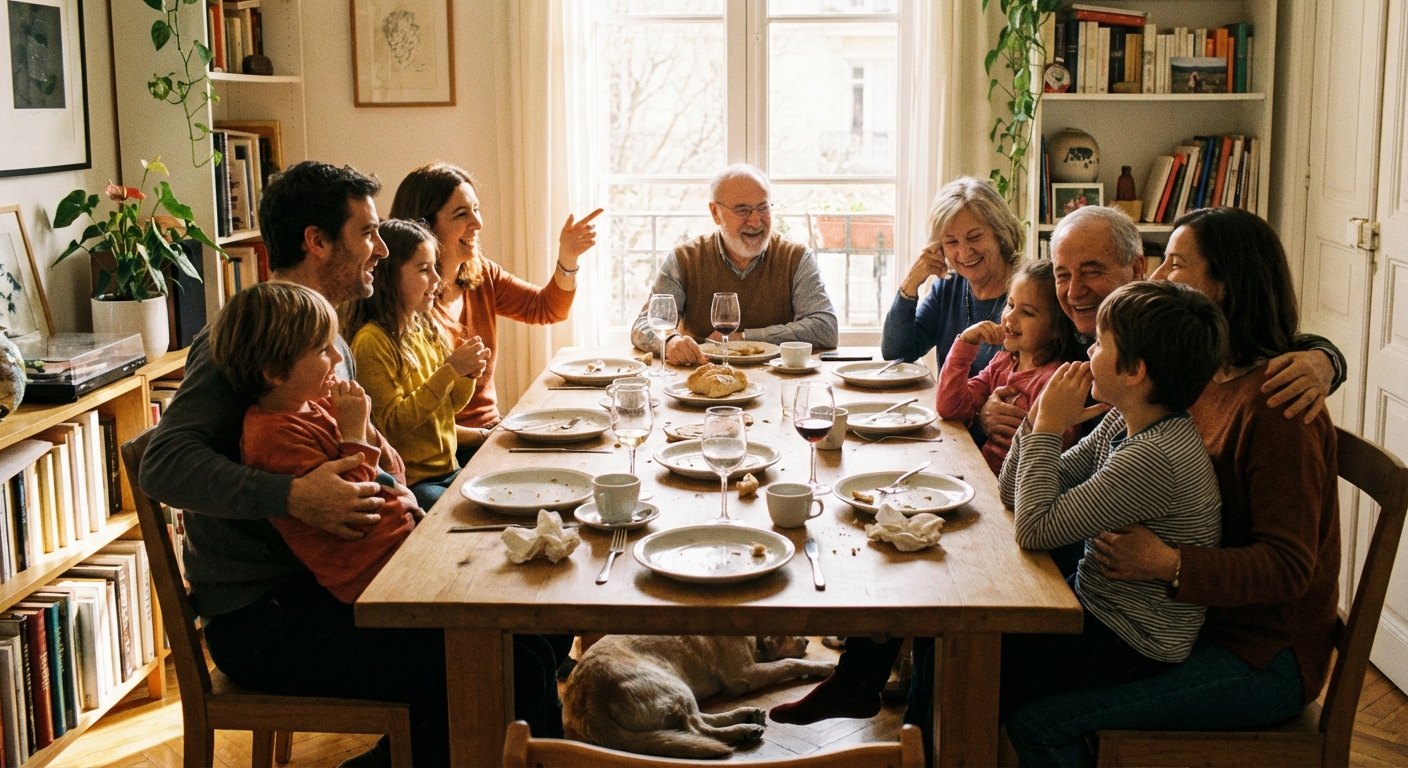
This is a uniquely Hispanic tradition with no direct English translation. It refers to the time spent chatting at the table after the meal is finished. It can last from 30 minutes to hours. It emphasizes that the purpose of eating is not just nutrition, but connection.
2. El Mate (Southern Cone)
In Argentina, Uruguay, and Paraguay, specific social rules govern drinking mate.
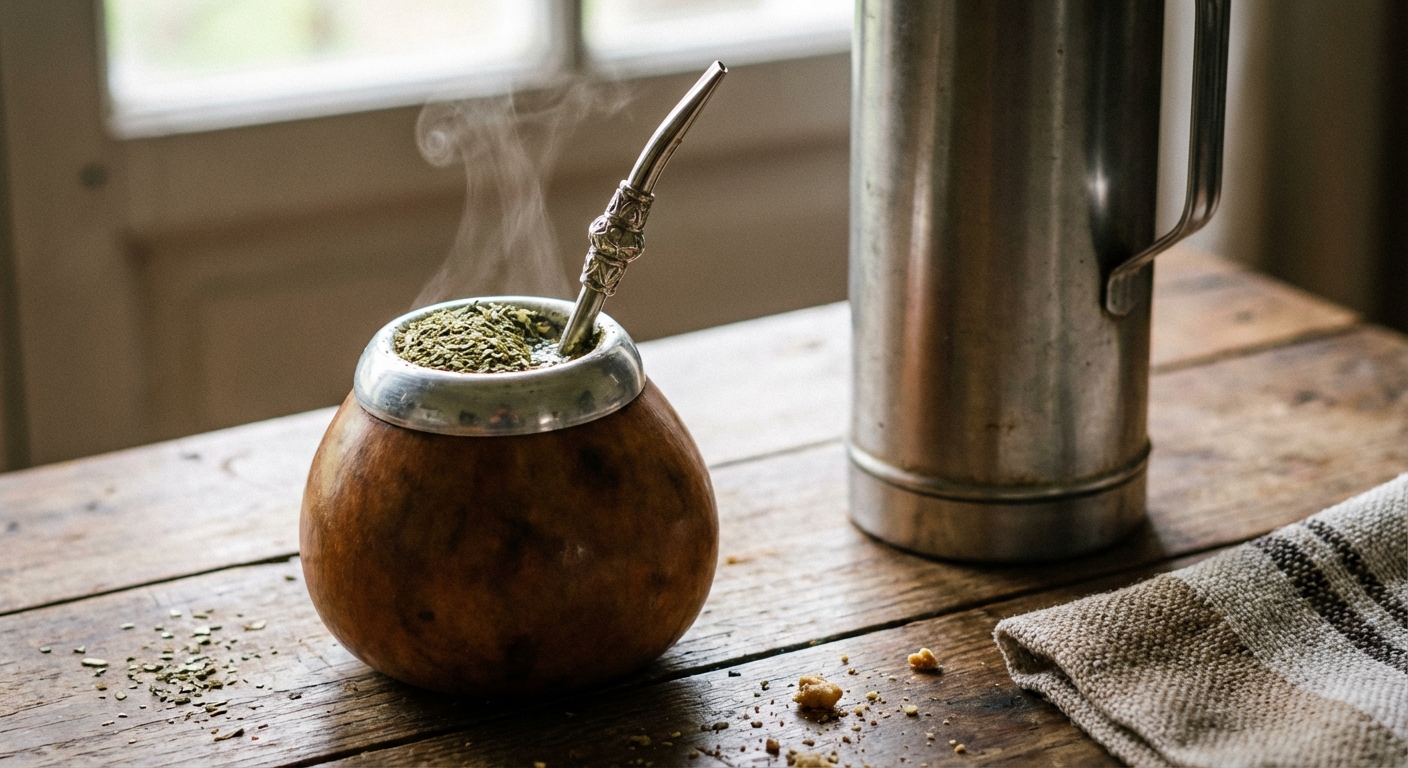
- The drink: An infusion of yerba mate.
- The vessel: Served in a gourd (mate) with a metal straw (bombilla).
- The Ritual: It is almost always shared. The cebador (brewer) prepares it and passes it around. Refusing a mate can be seen as rude. It symbolizes hospitality and equality.
Festivals (Las fiestas)
Festivals provide community identity and a break from routine.
- San Fermín (Pamplona, Spain): Running of the bulls.
- Día de los Muertos (Mexico): Celebrating ancestors to comfort the living.
- Las Fallas (Valencia): Burning of papier-mâché figures to welcome spring.
5.5 Travel and Tourism (Los viajes y el ocio)
Tourism impacts the quality of life of the traveler (leisure) and the host country (economy vs. gentrification).
Ecotourism (Ecoturismo)
- Costa Rica: A global leader in ecotourism. The government protects 25% of its land. The motto "Pura Vida" reflects a philosophy of simple, stress-free living close to nature.
- Impact: Brings money to local economies without destroying the environment, unlike mass resort tourism.
Cultural Heritage Sites
- Machu Picchu (Peru): Brings massive revenue but suffers from physical erosion due to foot traffic.
- Alhambra (Grenada, Spain): A reminder of the Moorish past (Al-Andalus).
The Problem of "Turistificación"
In cities like Barcelona, the rise of short-term rentals (like Airbnb) drives up rents for locals, forcing residents out of their own neighborhoods. This is a current "quality of life" conflict.
Common Mistakes & Pitfalls
- "Educación" vs. "Education":
- Mistake: Saying "Tengo buena educación" to mean "I have a good degree."
- Correction: Educación usually refers to upbringing and manners. Use formación or estudios for academic background.
- "Colegio" vs. "College":
- Mistake: Using colegio to mean university.
- Correction: Colegio usually means high school or elementary school. University is Universidad.
- Stereotyping Diet:
- Mistake: Assuming all Spanish speakers eat tacos and spicy food.
- Correction: Spanish (European) food is rarely spicy. Mediterranean diet is very different from Mexican cuisine.
- Comparing without Contrast:
- Exam Tip: On the Cultural Comparison, do not just list facts about the Hispanic country. You must explicitly compare it to your own community (e.g., "While people in my community eat quickly at their desks, in Spain, the sobremesa encourages…").
Concept Summary Table
| Concept | Definition | Cultural Significance |
|---|---|---|
| Sobremesa | Post-meal conversation | Prioritizes relationships over productivity. |
| Mate | Herbal tea shared in a circle | Symbol of equality and bonding in the Southern Cone. |
| Siesta | Mid-day rest break | Historical adaptation to heat; prioritizes health (though declining). |
| Bachillerato | Post-compulsory HS stage | Specialized preparation for university (Arts vs. Sci). |
| Desafíos | Challenges | Problems like housing shortages or unemployment. |