Study Notes: Science and Technology in the German-Speaking World
Unit 4 Overview: Science and Technology (Wissenschaft und Technologie)
Definition & Concept
This unit explores how scientific developments and technological innovations impact personal lives and society in the DACH region (Deutschland, Austria, CH - Switzerland). It covers the benefits of progress alongside the ethical challenges and cultural attitudes toward innovation.
Key AP Themes:
- Effects of Technology on Self (Einfluss der Technologie auf das Selbstbild)
- Health and Medicine (Gesundheitswesen und Medizin)
- Science and Ethics (Naturwissenschaft und Ethik)
- Future Technologies (Zukünftige Technologien)
1. Innovation in Daily Life (Alltagstechnologie)
Digitalization and Connectivity (Vernetzung)
Germany, while an engineering giant, has historically lagged slightly in high-speed internet infrastructure compared to some neighbors, but this is rapidly changing.
Smart Homes:
- Concept: Integration of IoT (Internet of Things) for heating, lighting, and security.
- German Context: Popular for energy efficiency (Energieeffizienz). Germans often use smart thermostats to control heating costs, which are traditionally high.
- Cultural Nuance: There is significant skepticism regarding voice assistants (Alexa/Siri) due to privacy concerns (Datenschutz).
Digital Government (E-Government):
- The Challenge: Bureaucracy (Bürokratie) in Germany is famously paper-heavy.
- Progress: The "Onlinezugangsgesetz" aims to digitize administrative services, though implementation varies by state (Bundesland).
Communication and Social Media
- Usage: WhatsApp is the dominant messenger service in the DACH region, even for business communication.
- Ständiges Erreichbarsein (Constant Availability): A major topic of debate. The pressure to answer emails after work hours has led to discussions about a "Right to Disconnect."
2. Environmental Technology (Umwelttechnologie)
This is perhaps the most critical topic for the AP Exam Cultural Comparison task. The DACH region views technology primarily as a tool to save the planet.
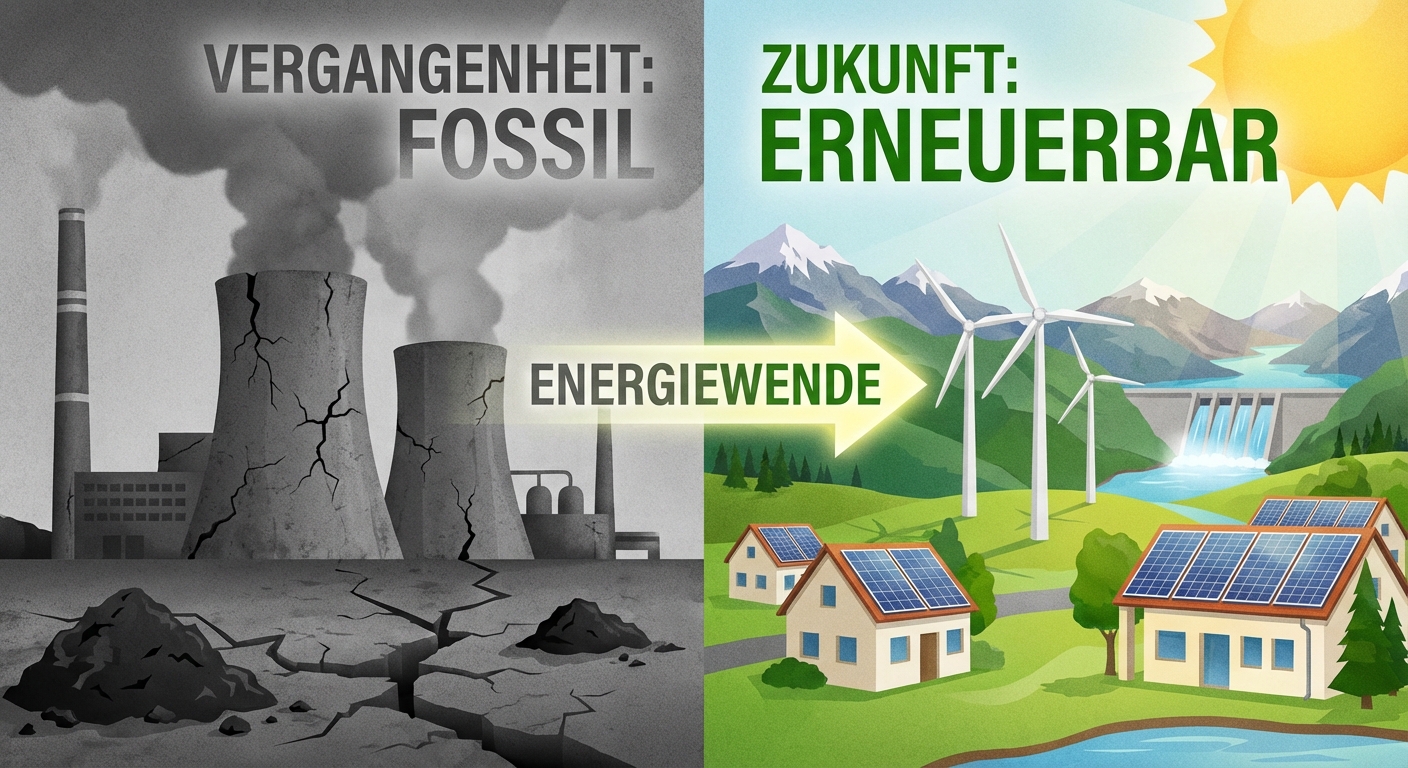
The Energy Transition (Die Energiewende)
Definition: Germany's planned transition from coal and nuclear energy to renewable energy sources.
- Renewables (Erneuerbare Energien):
- Wind Power: Crucial in Northern Germany (Offshore wind farms in the North Sea).
- Solar Power: Incentivized government subsidies (Solarzellen on roofs).
- Hydropower (Wasserkraft): The primary energy source for Austria and Switzerland due to their alpine geography.
- Phase-outs:
- Nuclear Exit (Atomausstieg): Germany shut down its last nuclear power plants in 2023. This is controversial due to rising energy prices but culturally rooted in the anti-nuclear movement of the 1980s.
Sustainable Agriculture (Nachhaltige Landwirtschaft)
- Precision Farming: Using GPS and drones to minimize fertilizer usage.
- Genetic Engineering (Gentechnik):
- Cultural Contrast: While the US embraces GMOs, the German public is highly skeptical of GMOs in food (Grüne Gentechnik), prioritizing "Bio" (organic) labels. However, GMOs in medicine (Rote Gentechnik) are more accepted.
3. Transportation and Mobility (Verkehrsmittel)
The Future of Cars
Germany is the birthplace of the automobile (Automobilindustrie is the backbone of the economy).
- E-Mobility (Elektromobilität):
- Manufacturers like Volkswagen (ID.4) and BMW are shifting entirely to electric vehicles.
- Challenge: The "range anxiety" (Reichweitenangst) and the need for charging infrastructure (Ladesäulen).
- Autonomous Driving: Germany allows Level 4 autonomous driving in specific commercial zones, leading the EU in legislation.
Public Transportation (Öffentliche Verkehrsmittel)
Unlike the US, public transit is a primary mode of travel, not a secondary option.
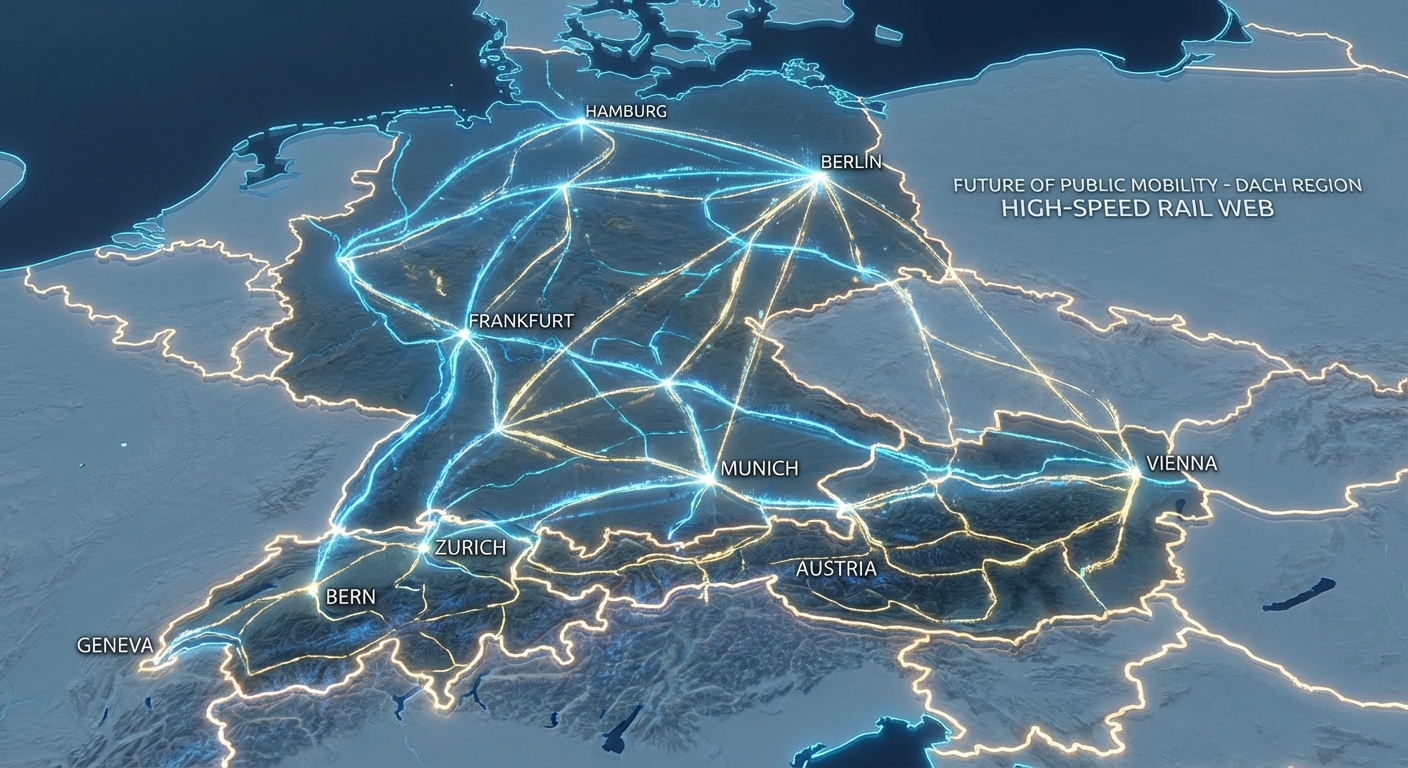
- The Deutschlandticket: A revolutionary 49-Euro monthly ticket introduced in 2023 allowing unlimited travel on regional trains and buses across the entire country.
- High-Speed Rail: The ICE (InterCity Express) competes with air travel for domestic routes. It is viewed as the eco-friendly alternative to flying.
- Apps: The Deutsche Bahn Navigator is an essential tool for daily life.
4. Healthcare and Medicine (Gesundheitswesen)
Medical Excellence vs. Data Privacy
- Telemedicine: Accelerated by COVID-19. Apps like Doctolib allow for booking and video consultations.
- Biotechnology:
- Exam Example: BioNTech, a company in Mainz, Germany, developed the first authorized mRNA COVID-19 vaccine (with Pfizer). This is a source of national pride regarding German research (Forschung).
Ethical Controversies (Ethische Fragen)
- Stem Cell Research (Stammzellenforschung): Tightly regulated in Germany due to historical ethical sensitivities stemming from the Nazi era.
- Digital Health Records: The "Elektronische Patientenakte" (ePA) is being rolled out, but debate continues over who owns the patient data.
5. The World of Work and Education
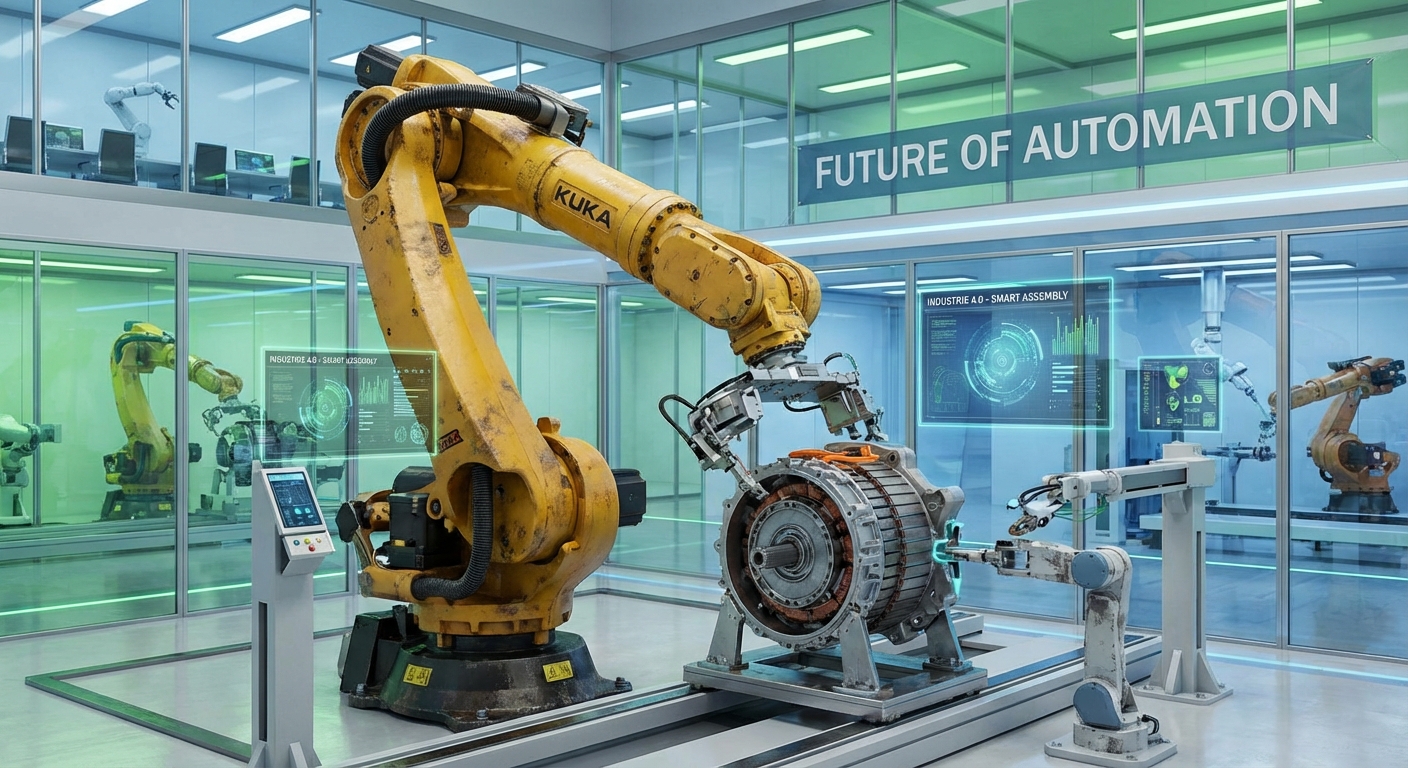
Industry 4.0 (Industrie 4.0)
Definition: A German concept describing the digitalization of manufacturing (The "Fourth Industrial Revolution").
- Automation: Using robots for precision tasks. While efficient, it raises fears of Job Displacement (Arbeitsplatzverlust).
- STEM Fields (MINT-Fächer):
- Mathematik, Informatik, Naturwissenschaft, Technik.
- There is a shortage of skilled workers (Fachkräftemangel) in MINT fields, leading to immigration incentives for engineers.
Research Networks
- Max Planck Society: A world-leading research organization. Germany values institutional research heavily.
6. Cultural Challenges & The Digital Divide
Privacy Culture (Privatsphäre)
This is the biggest cultural difference between the US and Germany.
- DSGVO (GDPR): The General Data Protection Regulation. Germany was a driving force behind this strict EU law.
- Surveillance: Germans are generally hostile toward CCTV and digital tracking compared to the UK or US.
- Examples: Many Germans blur their houses on Google Street View.
The Digital Divide (Digitale Spaltung)
- Rural vs. Urban: Many rural areas in Germany still face "Funklöcher" (mobile dead zones) and slow internet, hindering economic development in provisions.
- Generational Gap: While youth are digital natives, the aging population (Überalterung) struggles with the digitization of banking and government services.
Cyberbullying (Cybermobbing)
- A growing issue in schools. Organizations like "Klicksafe.de" provide resources for digital literacy (Medienkompetenz).
7. Vocabulary Checklist (Wortschatz)
| German Term | English Meaning | Context / Usage |
|---|---|---|
| Die künstliche Intelligenz (KI) | Artificial Intelligence (AI) | Used in debates about future work and ethics. |
| Der Datenschutz | Data Protection/Privacy | Essential for ANY essay about the internet. |
| Erneuerbare Energien | Renewable Energies | Solar, Wind, Wasser, Biomasse. |
| Die Gentechnik | Genetic Engineering | Controversial in food, accepted in medicine. |
| Das MINT-Fach | STEM Subject | Focus of education policy. |
| Die Energiewende | Energy Transition | The shift to green energy. |
| Vernetzt | Networked/Connected | Describes smart homes or cities. |
8. Common Mistakes on the AP Exam
1. confusing Cultural Attitudes toward Tech
- Mistake: Assuming Germans embrace all tech like Americans.
- Correction: Germans embrace hardware/engineering (cars, machines) but are skeptical of software/data (social media tracking, cloud data, AI). Always mention privacy concerns.
2. Generalizing the DACH Region
- Mistake: Focusing only on Germany.
- Correction: Mention Switzerland's role in biotech and pharmaceutical research (Roche, Novartis) or Austria's leadership in hydropower.
3. False Cognates and Terminology
- Mistake: Using "Technik" purely for "Technique."
- Correction: Die Technik usually means "Technology" or "Engineering." Die Technologie is also used but Technik is broader.
- Mistake: Translating "Mobile Phone" as "Cell Phone."
- Correction: Use Das Handy (older term) or Das Smartphone (modern).
4. Overlooking the Ethics
- Mistake: Writing a persuasive essay that only lists benefits of technology.
- Correction: To score high (5), you must acknowledge the counter-argument (ethics, isolation, environmental cost of batteries, displacement of workers).